


Blog / Canonsburg Chevrolet Dealer

Blog

All Canonsburg Chevrolet Dealer Washington Chevrolet Service Canonsburg Chevrolet Service Chevy's Tires Tire Service Best Chevrolet Models Canonsburg Used Cars Summer Driving in Washington, PA Tire Rotation and Wheel Alignment Tire Wear Patterns Best Chevrolet Models for Daily Commuting Best Chevrolet Models in Washington, PA Best Chevrolet SUVs 2026 Chevrolet Silverado 1500 Best Chevrolet Trucks Western Pennsylvania Winter
Chevy Brake Service

Why Does My Chevy Say "Service Brake Assist"? Common Causes, Brake Pedal Problems, and When to Schedule Service

If your Chevrolet displays a "Service Brake Assist" warning, the vehicle may have detected a problem with the system that helps reduce the effort needed to apply the brakes. Depending on the vehicle and the fault, you might notice a harder brake pedal, unusual pedal feedback, or longer stopping distances. Possible causes include brake booster problems, pressure or vacuum sensor faults, electrical issues, and brake system control malfunctions. Because braking performance may be affected, a Chevy Service Brake Assist warning should never be ignored. If your brakes feel different or the vehicle takes longer to stop, pull over carefully when safe and arrange professional assistance rather than continuing to drive. Schedule Chevrolet Brake Diagnostics Explore Chevrolet Certified Service For Chevrolet owners around Washington, Canonsburg, Houston, and Claysville, dependable braking is particularly important when traveling through Southwestern Pennsylvania's hills, curves, and changing weather conditions. Whether you drive a Silverado, Equinox, Traverse, Tahoe, Malibu, or another Chevrolet, understanding what this warning means can help you respond safely and recognize when your vehicle needs professional service. Quick Answer: What Does "Service Brake Assist" Mean on a Chevy? The "Service Brake Assist" message generally means your Chevrolet has detected a concern with its brake-assist or brake-boost system. Depending on the model, that system may use vacuum assistance, electronic controls, or an electrically powered brake booster to help the driver apply braking force. A brake-assist fault can increase the force needed to press the pedal or affect stopping performance. The warning does not automatically mean the brakes have completely failed, but it does mean you should not assume normal braking capability. If braking performance changes, stop carefully in a safe location and arrange towing or roadside assistance. If the message appears without obvious braking symptoms, consult the owner's manual and contact a Chevrolet service professional promptly for guidance before continuing to use the vehicle. What Is Chevrolet Brake Assist and How Does It Work? Modern Chevrolet vehicles use brake-assist technology to help drivers apply the force needed to slow or stop the vehicle. In vehicles with a conventional vacuum-assisted braking system, a brake booster helps reduce the physical effort required at the brake pedal. Other Chevrolet models use electronically controlled systems that coordinate braking assistance through motors, sensors, and control modules. Although the designs differ, the purpose is similar: helping provide predictable and effective braking response. If an important part of the system develops a fault, the driver may have to press harder on the brake pedal or may notice changes in how the brakes respond. Is Brake Assist the Same as Automatic Emergency Braking? No. Brake boost or power brake assist helps the driver operate the regular braking system. Automatic Emergency Braking is a separate driver-assistance feature that can apply braking in certain detected collision scenarios. A "Service Brake Assist" message should not be confused with an Automatic Emergency Braking unavailable indicator or a forward collision warning. The exact function involved depends on the Chevrolet model and its equipment. A professional diagnostic inspection can help determine which system reported the fault. Common Symptoms Associated With a Chevy Service Brake Assist Warning A dashboard warning may appear before a driver notices a significant change in braking. In other cases, the warning accompanies noticeable symptoms. Symptom What It May Indicate Recommended Response "Service Brake Assist" message Possible fault in the brake boost system or related controls Stop safely, consult the owner's manual, and arrange prompt professional evaluation. Hard or stiff brake pedal Possible reduction in power brake assistance Stop carefully and arrange roadside assistance or towing. Vehicle requires more distance to stop Reduced braking assistance or another braking problem Stop driving as soon as it is safe and arrange towing. Brake pedal feels unusually soft or sinks farther than normal Possible hydraulic brake system or other serious braking concern Do not continue driving; arrange professional assistance. Brake pedal pulsation or unusual feedback May accompany certain brake-assist system operating or fault conditions Evaluate with the exact warning messages and vehicle symptoms. ABS or stability-control warnings also appear Possible related brake control or electrical fault Have the complete brake system inspected promptly. Red brake system warning remains illuminated Potential fault affecting the regular braking system Stop carefully and have the vehicle towed for service. These are possible warning signs rather than confirmed diagnoses. A vehicle may have a brake-assist fault without displaying every symptom, and similar symptoms can arise from different braking problems. What Causes the Service Brake Assist Warning on Chevrolet Vehicles? Several different issues may trigger the warning. The exact cause depends on your Chevrolet's model year, braking system design, diagnostic trouble codes, and inspection findings. 1. Brake Booster or Brake Assist Component Problems The brake booster is designed to reduce the effort needed to operate the brakes. If the booster or a related assist component cannot provide the expected assistance, the pedal may become harder to press. On vehicles using vacuum assistance, a problem with the vacuum supply, pump, hoses, or booster may affect braking effort. On vehicles equipped with an electronic brake boost system, a problem may involve electrical or electronically controlled brake-assist components. Because Chevrolet has used different braking systems across its vehicles, the correct repair depends on identifying the specific system and fault. 2. Brake Pressure or Vacuum Sensor Faults Depending on the vehicle, sensors may monitor brake pressure, vacuum levels, pedal input, or other information needed for proper brake-assist operation. If a sensor provides an incorrect or inconsistent reading, the vehicle may display a warning even when the actual fault is not a completely failed brake booster. GM service information has documented certain vehicle-specific conditions involving brake booster pressure sensing and related electrical circuits. However, a warning message alone does not prove that a pressure sensor needs replacement. Diagnostic testing is necessary to identify the problem. 3. Electrical Connections and Wiring Problems Electronic braking systems rely on electrical connections to communicate between sensors, control modules, and applicable brake-assist components. Damaged wiring, corroded connectors, poor electrical grounds, or power supply problems may interfere with that communication. An intermittent connection can sometimes create a warning that appears during one trip and disappears during another. Technicians may need to test the applicable circuits before determining whether a sensor, module, or other component actually requires replacement. 4. Brake System Control Module Faults Many Chevrolet braking systems use an electronic control module to monitor operation and coordinate related braking functions. Depending on the model, a brake control fault may trigger Service Brake Assist along with ABS, stability-control, or other dashboard warnings. Certain GM technical service documents have also identified vehicle-specific software or calibration concerns that can contribute to brake-assist warnings. That does not mean every warning is caused by software. Technicians must determine whether the concern involves programming, electronics, mechanical components, or another fault. 5. Other Brake System Problems Hydraulic system problems, brake fluid concerns, or other faults may cause abnormal braking symptoms or additional dashboard warnings. For example, a soft pedal or reduced stopping performance may point to a different concern than a loss of booster assistance. This is why it is important to describe the exact symptoms rather than assume all brake problems have the same cause. Replacing brake pads or rotors alone will not necessarily resolve a Service Brake Assist warning. The problem may involve brake assistance or electronic controls instead of normal friction-component wear. Can You Drive With the Service Brake Assist Warning On? A Service Brake Assist warning should be treated seriously because the braking system may not be providing the assistance or response the driver expects. In some cases, the regular braking system may continue to function, but the driver may need to apply more pedal force. In others, braking performance may be affected more substantially. Because you cannot determine the fault's severity from the message alone, continuing normal driving is not a safe assumption. When to Stop Driving and Arrange Towing If your Chevy displays a brake-assist warning and you experience any of the following, find a safe place to stop and do not continue driving: A noticeably stiff brake pedal: You must press much harder than normal to slow the vehicle. Longer stopping distances: The vehicle does not slow as expected. A soft or sinking brake pedal: Pedal travel feels excessive or braking response has changed significantly. A persistent red brake system warning: Chevrolet advises stopping carefully and arranging towing if the warning remains illuminated. Severe pulling, grinding, or other abnormal braking behavior: The vehicle cannot be slowed or controlled predictably. Multiple urgent brake warnings: Additional alerts suggest a potentially more serious braking system problem. Slow and stop carefully using the safest available location. If the vehicle cannot be stopped safely or an immediate collision risk exists, contact emergency services. Once stopped, arrange roadside assistance or towing instead of attempting to drive to a routine service appointment. Why Does My Chevy's Brake Pedal Feel Hard? A brake pedal that suddenly becomes much harder to press may indicate that the vehicle has lost some or all of its normal power brake assistance. In a properly operating brake-assist system, the driver can generate substantial braking force without having to apply excessive physical pressure. If that assistance is reduced, stopping the vehicle may require noticeably greater effort. GM documentation for certain Chevrolet models has connected brake-assist faults with increased pedal effort and longer stopping distances. A stiff brake pedal is not a symptom to investigate through repeated test driving. If the change occurs while you're moving, stop safely and arrange professional assistance. Why Is My Brake Pedal Pulsating or Feeling Different? Unusual brake pedal feedback can have several possible explanations. During certain hard-braking situations, a properly functioning ABS may create a brief pulsing sensation as it helps manage wheel lockup. That can be normal. Some Chevrolet owner's manuals also describe brake boost motor noise or pedal pulsation that may accompany specific brake-assist fault conditions. However, a new or persistent pedal sensation combined with a Service Brake Assist message should not be dismissed as normal ABS operation. The exact dashboard warning, driving conditions, and changes in stopping performance should be evaluated together. Why Brake Assist Problems Matter on Southwestern Pennsylvania Roads Effective braking matters everywhere, but the hills and changing road conditions around Southwestern Pennsylvania can make unexpected brake pedal behavior particularly concerning. Washington, PA: Daily Commuting and Hills Drivers traveling around Washington encounter intersections, traffic, and changes in elevation. If brake assistance is reduced, the additional effort or distance needed to stop may make ordinary driving more difficult. If a brake-assist warning appears with a change in pedal feel, stop in a safe location and arrange assistance rather than continuing through traffic. Canonsburg and Houston: Regional Travel Drivers commuting through Canonsburg and Houston may regularly use busy local roads and connecting highways. Predictable brake response is especially important when traffic slows unexpectedly. A recurring Service Brake Assist warning deserves professional attention before the vehicle is relied upon for regular commuting. Claysville: Rural Roads and Changing Weather Drivers around Claysville may encounter winding roads, hills, and changing pavement conditions throughout the year. Rain, snow, and ice already reduce available tire traction. A braking system concern adds another risk because the driver may not be able to rely on the vehicle's usual stopping performance. Always maintain appropriate tires and drive for conditions, but remember that tire maintenance cannot correct a brake-assist malfunction. What Should You Do When Your Chevy Says Service Brake Assist? The following steps can help you respond safely and provide useful information when arranging Chevrolet brake service. Find a safe place to stop. If braking response has changed, avoid continuing your trip. Stop carefully and arrange assistance. Note the exact warning. Record whether the message says "Service Brake Assist," "Service Brake System," or something else. Check for other dashboard indicators. Note any red brake system, ABS, traction control, or stability-control warnings. Describe any brake pedal changes. Tell the service team if the pedal felt stiff, unusually soft, or different from normal. Do not attempt to test the brakes on the road. Repeated braking experiments may be unsafe when assistance or stopping performance is uncertain. Contact Chevrolet Certified Service. Explain the warning and symptoms so the team can advise you about inspection and whether towing is necessary. Avoid disconnecting the battery or clearing diagnostic trouble codes simply to remove the warning. Doing so may erase information useful for identifying the underlying problem. Need Chevrolet Brake Diagnostics in Washington, PA? Washington Chevrolet's Certified Service team can help evaluate brake-assist warnings, unusual pedal behavior, and related braking concerns. If your Chevrolet has reduced stopping performance, call for guidance and arrange towing rather than driving it to the dealership. Request Brake Diagnostics Call Chevrolet Service How Do Chevrolet Technicians Diagnose a Service Brake Assist Warning? Accurate brake diagnostics require more than checking whether the warning disappears after the vehicle is restarted. Depending on the Chevrolet model and symptoms, a professional inspection may involve: Reading diagnostic trouble codes: Retrieving relevant fault information from brake system control modules and other applicable vehicle systems. Inspecting brake-assist components: Evaluating the vehicle's vacuum-assisted or electronically boosted braking equipment. Checking pressure and sensor information: Reviewing applicable readings and testing for abnormal signals. Testing electrical circuits: Looking for damaged wiring, poor grounds, and communication problems. Evaluating related braking systems: Investigating ABS, hydraulic brake components, or other systems when indicated. Checking vehicle-specific GM guidance: Reviewing applicable service procedures, software information, and manufacturer instructions. A diagnostic trouble code helps identify the affected circuit or system, but it does not always identify a failed part by itself. For example, a brake pressure sensor-related fault might involve the sensor, its wiring, or a related control issue. Additional testing may be needed before repairs are recommended. This is also why a standard brake pad replacement may not resolve a brake-assist warning. The repair should address the actual fault identified during diagnosis. Does Service Brake Assist Mean You Need a New Brake Booster? Not necessarily. A brake booster or its supporting components may be involved, but the warning can also result from sensor, electrical, control-module, or other braking system issues. The correct diagnosis depends on the braking system design and the results of the inspection. Replacing a brake booster without confirming the cause may leave the underlying problem unresolved. What If the Service Brake Assist Warning Disappears? Some brake-related warnings may disappear after the vehicle is restarted or when an intermittent fault is no longer active. However, the message disappearing does not confirm that the braking system has been repaired. A stored diagnostic trouble code may still help a technician identify the concern. If the warning returns, or the brake pedal behaves abnormally at any point, arrange professional inspection before using the vehicle again. Do not assume a recurring brake-assist problem is harmless simply because the warning is intermittent. When Should You Schedule Chevrolet Brake Diagnostics? Consider contacting Washington Chevrolet for Chevrolet brake diagnostics in Washington, PA if you notice: A Service Brake Assist message that stays on or returns. Brake pedal effort that feels different from normal. Unusual brake pedal vibration, pulsation, or response. ABS, stability-control, or other brake warnings appearing together. A brake system warning following recent service or an electrical issue. Any suspected decrease in braking performance. If braking is noticeably reduced or the red brake warning remains illuminated, do not treat the situation as a routine drive-in appointment. Stop safely and arrange towing or qualified roadside assistance. You can also visit Washington Chevrolet's Certified Service Department page for information about brake inspections, routine maintenance, and GM Genuine Parts. Frequently Asked Questions About Chevy Service Brake Assist Warnings What does Service Brake Assist mean on a Chevy? It generally indicates that the vehicle has detected a problem involving its brake-assist or brake-boost system. Depending on the fault, the brake pedal may become harder to press or stopping performance may change. A professional inspection is needed to determine the cause. Can I drive with the Chevy Service Brake Assist warning? You should not assume the vehicle is safe to drive. Brake assistance may be reduced even if the brakes have not completely failed. Stop safely and contact a qualified service professional. If the pedal feels abnormal, stopping distances increase, or a red brake warning remains on, arrange towing rather than continuing to drive. Why is my brake pedal suddenly hard to push? A hard brake pedal may indicate reduced power brake assistance, although other problems are possible. This can increase the effort needed to stop the vehicle. If it occurs while driving, stop safely and arrange professional assistance. Can a bad brake booster cause Service Brake Assist? Yes. A booster or related component problem can affect brake assistance on applicable Chevrolet vehicles. However, sensor, wiring, electronic control, and other system faults can produce similar warnings. Testing is necessary before recommending replacement. Can a sensor cause the Service Brake Assist warning? Yes. Certain brake-assist systems rely on pressure, vacuum, or other sensor information. A faulty sensor or related electrical circuit may cause a warning, but the exact problem must be identified through vehicle-specific diagnostic procedures. Is Service Brake Assist the same as an ABS warning? No. Brake assist helps reduce the effort needed to brake, while ABS helps manage wheel lockup during certain braking situations. These systems may share control components on some vehicles, so both warnings can sometimes appear together. Can I fix a Service Brake Assist warning by changing brake pads? Not necessarily. Brake pads are friction components, while a Service Brake Assist warning may involve the booster, sensors, electronics, or other braking system controls. The correct repair depends on the underlying cause. Why did the warning go away after restarting my Chevrolet? Some faults are intermittent, so the warning may disappear temporarily. That does not prove the problem has been corrected. If the message returns or braking symptoms occur, arrange professional evaluation. Does Service Brake Assist mean my brakes have completely failed? Not always. Certain brake-assist faults can leave some braking function available while requiring greater pedal effort. However, the warning does not establish how much braking capability remains. Stop safely and seek professional guidance rather than assuming the system is functioning normally. Where can I get Chevrolet brake diagnostics near Washington, PA? Washington Chevrolet provides Certified Service for drivers from Washington, Canonsburg, Houston, Claysville, and nearby communities. You can request a Chevrolet service appointment or call the service department at 724-825-4085. If your vehicle has reduced braking performance, arrange towing instead of driving it to the dealership. Schedule Chevrolet Brake Diagnostics at Washington Chevrolet A Service Brake Assist warning may involve the brake booster, pressure sensors, electrical connections, control modules, or another component of your Chevrolet's braking system. Because different faults can produce similar symptoms, identifying the actual cause is important before recommending repairs. Washington Chevrolet's Certified Service team helps drivers throughout Washington, Canonsburg, Houston, Claysville, and Southwestern Pennsylvania with brake inspections, warning light diagnostics, and vehicle maintenance. When contacting our service department, provide your Chevrolet's model year, the exact warning message, and any changes in brake pedal effort or stopping performance. If additional ABS or brake system warnings appeared, mention those as well. You can also review current Chevrolet service and parts specials for applicable brake maintenance offers. Keep in mind that discounts on routine brake services may not apply to diagnostic testing or specialized brake-assist repairs. Get Help With Your Chevy's Service Brake Assist Warning If your Chevrolet displays a recurring Service Brake Assist warning, contact Washington Chevrolet, The Big One on the Hill, to discuss the problem and arrange a professional inspection. If your brakes are not responding normally, stop safely and arrange towing or roadside assistance. Request Chevrolet Brake Service Call Our Service Department Washington Chevrolet 1 Raymond Blvd Washington, PA 15301 Service: 724-825-4085 This article provides general educational information and is not a substitute for professional automotive diagnosis or the Chevrolet owner's manual. Brake-assist systems, warning messages, and diagnostic procedures vary by model, model year, and equipment. A Service Brake Assist warning may involve a safety-critical braking system concern. If stopping performance is reduced, the brake pedal behaves abnormally, or a red brake system warning remains illuminated, stop safely and arrange qualified assistance or towing. Do not continue operating a vehicle with unsafe braking performance.
Chevy Tahoe Washington, PA

2027 Chevrolet Tahoe Z71 vs. RST: Comparing 4WD Capability, Interior Features, Performance, and Everyday Driving

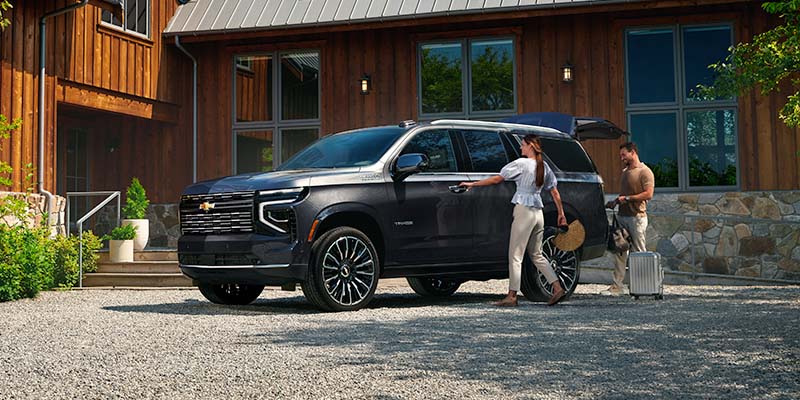
The 2027 Chevrolet Tahoe Z71 and RST offer two different approaches to full-size SUV driving. The Z71 emphasizes rugged capability with standard four-wheel drive, a two-speed transfer case, all-terrain tires, underbody protection, and Hill Descent Control. The RST focuses on street-oriented styling, distinctive interior appointments, and available performance upgrades, including a Performance Edition producing 433 horsepower. When comparing the 2027 Chevy Tahoe Z71 vs. RST, both provide three-row seating, substantial cargo capacity, and multiple engine options, but their differences in traction equipment, ride characteristics, and appearance can help determine which better fits your lifestyle. Shop New Chevy Tahoe Inventory Schedule a Test Drive For drivers around Washington, Canonsburg, McMurray, and Waynesburg, choosing the right Tahoe often comes down to where and how you drive. Families who primarily commute on paved roads may appreciate the RST's sport-inspired appearance and comfort features. Drivers who regularly encounter gravel roads, uneven terrain, or recreational access routes may prefer the Z71's specialized four-wheel-drive equipment. Here's how these two 2027 Chevrolet Tahoe trim levels compare. 2027 Chevrolet Tahoe Z71 vs. RST: Key Differences The Tahoe Z71 and RST share the same full-size SUV platform, basic passenger dimensions, and maximum cargo capacity. Their biggest differences involve drivetrain equipment, suspension options, wheels, exterior styling, and available performance packages. Feature 2027 Tahoe Z71 2027 Tahoe RST Primary Focus Off-road-oriented capability Sporty styling and on-road performance Standard Engine 5.3L EcoTec3 V8 5.3L EcoTec3 V8 Standard Horsepower 355 hp 355 hp Other Engine Options Available 6.2L V8 or 3.0L Duramax diesel Available 6.2L V8 or 3.0L Duramax diesel Drivetrain Standard 4WD 2WD or available 4WD Specialized Transfer Case Autotrac two-speed active transfer case Road-focused transfer case configuration Wheels and Tires 20-inch wheels with all-terrain tires 22-inch wheels with road-oriented tires; available 24-inch wheels Off-Road Equipment Skid plate, recovery hooks, high-approach front fascia, Hill Descent Control Not equipped with the Z71-specific off-road package Suspension Upgrades Available Four-Corner Air Ride Adaptive Suspension Performance-focused upgrades available, including Performance Edition Interior Character Rugged styling and available comfort features Jet Black interior with Victory Red accents; heated and ventilated front seats Special Performance Package Available Z71 Off-Road Package Available RST Performance Edition Seating Up to 8 passengers; available 7-passenger seating Up to 8 passengers; available 7-passenger seating Maximum Cargo Space Up to 122.7 cu. ft. Up to 122.7 cu. ft. Infotainment Display 17.7-inch diagonal touchscreen 17.7-inch diagonal touchscreen Quick Answer: Should You Choose the Tahoe Z71 or RST? Choose the Tahoe Z71 if you want standard 4WD, low-range gearing, all-terrain tires, and specialized features for gravel roads, uneven surfaces, and suitable outdoor recreation routes. Choose the Tahoe RST if you prefer a bold, street-focused appearance, heated and ventilated front seats, and the option to add specialized on-road performance equipment. Both offer substantial passenger space, V8 performance, available diesel power, and modern technology. Neither trim is automatically better for every driver. Engine Performance: Do the Tahoe Z71 and RST Have Different Engines? Both trims come standard with Chevrolet's 5.3-liter EcoTec3 V8 engine, producing 355 horsepower and 383 lb-ft of torque. The engine pairs with a 10-speed automatic transmission. This powertrain provides the same rated output in the standard Z71 and RST, making either trim suitable for daily commuting, highway travel, and family transportation. Buyers can also explore two additional engine options available on both trims. Available 6.2L EcoTec3 V8 Chevrolet offers a 6.2-liter EcoTec3 V8 producing 420 horsepower and 460 lb-ft of torque. This engine provides additional output for drivers who want stronger V8 performance. Unlike the standard 5.3-liter V8, the 6.2-liter V8 calls for premium gasoline under Chevrolet's fuel recommendations. Available 3.0L Duramax Turbo-Diesel The available Duramax 3.0-liter turbo-diesel delivers 305 horsepower and 495 lb-ft of torque. Its torque output and highway efficiency may appeal to drivers who regularly travel longer distances or want a different power delivery experience. Chevrolet advertises up to 624 miles of EPA-estimated highway driving range for an appropriately equipped Tahoe with the Duramax engine. Actual range varies with driving conditions, equipment, and vehicle configuration. What About the RST Performance Edition? The RST offers another option for drivers who prioritize on-road performance. Its available Performance Edition uses a specially equipped 6.2-liter V8 with Chevrolet Performance induction and exhaust components. This configuration produces 433 horsepower and 467 lb-ft of torque, along with performance-oriented suspension and heavy-duty Brembo front brakes. The Performance Edition is an optional package, not the standard RST engine or equipment configuration. Why Is the 2027 Chevrolet Tahoe Z71 Better Equipped for Off-Road Driving? The Z71 is specifically designed for drivers who want additional capability beyond ordinary paved-road travel. Its equipment includes: Standard four-wheel drive: Delivers power to both axles when the appropriate mode is engaged. Autotrac two-speed transfer case: Provides a low-range setting for appropriate challenging, low-speed conditions. 20-inch all-terrain tires: A tire configuration better suited to certain gravel and uneven surfaces. Aluminum skid plate: Adds protection for applicable underbody components. Red recovery hooks: Part of the Z71's specialized exterior equipment. High-approach-angle front fascia: Designed to improve clearance when approaching certain obstacles. Hill Descent Control: Helps manage vehicle speed during certain downhill driving conditions. Available Four-Corner Air Ride Adaptive Suspension: Adds adjustable ride-height capability on properly equipped vehicles. What Does the Two-Speed Transfer Case Do? The Tahoe Z71's two-speed transfer case provides a low-range four-wheel-drive setting, commonly called 4LO. Low-range gearing is useful for certain slow-speed situations involving steep grades, loose surfaces, or challenging terrain. This is a meaningful distinction from the RST's street-oriented drivetrain equipment. A four-wheel-drive RST can provide additional traction on slippery surfaces, but it is not the same as the Z71's specialized off-road configuration. Is the Z71 Better for Pennsylvania Snow? The Z71 provides standard 4WD and all-terrain tires, which may be useful in certain snowy or unpaved conditions. However, a properly equipped 4WD RST may also provide suitable traction for many ordinary winter roads. All-terrain tires are not automatically a substitute for dedicated winter tires. Tire condition, temperature, road surface, and driver behavior remain important regardless of the selected trim. Four-wheel drive helps with acceleration on certain slippery surfaces, but it does not eliminate sliding or shorten stopping distances on ice. What Makes the 2027 Tahoe RST Different? The RST is Chevrolet's sport-styled Tahoe. Instead of emphasizing specialized off-road features, it offers distinct appearance details and available performance upgrades for drivers who primarily use paved roads. Sport-Inspired Exterior Styling The 2027 Tahoe RST features a monochromatic Black grille with Black Ice accents, black badging and exterior details, and distinctive wheel designs. Its standard 22-inch wheel configuration and available 24-inch Carbon Flash Metallic wheels contribute to a more aggressive street-oriented appearance. For drivers who want a bold full-size SUV without regularly encountering rugged terrain, these styling differences may be more appealing than the Z71's all-terrain equipment. Heated and Ventilated Front Seats The RST includes heated and ventilated front seats and an RST-specific Jet Black interior with Victory Red accents. These features may appeal to drivers who value comfort during both cold Pennsylvania mornings and warmer summer days. The Z71 also offers several interior comfort options, but specific equipment and packages differ. Compare the window stickers on available vehicles to determine which features are included. RST Performance Edition The available RST Performance Edition takes the sport-focused concept further with a higher-output V8, upgraded braking components, and suspension changes designed for more responsive on-road performance. Buyers interested in this package should compare it directly with a standard RST rather than assuming every RST includes the same engine, suspension, and brakes. Interior Comfort and Three-Row Seating Both the Z71 and RST share the Tahoe's spacious three-row layout. That means choosing between the two trims does not require sacrificing the overall passenger capacity of a full-size SUV. Both offer configurations for up to eight passengers, along with available second-row captain's chairs that reduce seating capacity to seven while providing a passage between the second-row seats. Families who regularly transport children, relatives, or friends may find either configuration practical. The best choice depends on whether a second-row bench or captain's chairs better fits their routine. The RST emphasizes its distinct sport-inspired cabin, while the Z71 complements its rugged exterior with comfort and convenience features appropriate to its trim. Do the Tahoe Z71 and RST Have the Same Cargo Space? Yes. Both share the same Tahoe body dimensions and offer up to 122.7 cubic feet of maximum cargo volume when the appropriate rear seating rows are folded. The second and third rows can be folded to create more room for luggage, recreational equipment, home improvement supplies, and other large items. This flexibility may be especially useful for families traveling throughout Washington County, transporting sports equipment, or preparing for weekend activities. Since the maximum cargo capacity is the same, buyers can focus on drivetrain capability, interior features, and appearance rather than assuming one trim offers a larger cargo area. Technology: Does the Tahoe RST Have More Features Than the Z71? Both trims feature Chevrolet's 17.7-inch diagonal center touchscreen and 11-inch Driver Information Center. Standard Google built-in compatibility and supported wireless smartphone connectivity provide access to modern navigation, media, and other connected functions, subject to compatible devices and applicable services. Chevrolet also offers technologies such as HD Surround Vision, advanced trailering cameras, and additional driver-assistance systems across appropriately equipped Tahoe models. Is Super Cruise Available? Super Cruise hands-free driver assistance is available on properly equipped Tahoe RST models. Chevrolet does not list it as an available feature for the Z71. Super Cruise operates only on compatible roads under appropriate conditions and requires the necessary equipment and connected service. Drivers must remain attentive and prepared to take control. For shoppers who regularly travel highways and want available hands-free driver assistance, this may be an important reason to consider the RST. Compare Tahoe Z71 and RST Models at Washington Chevrolet Interested in the Tahoe Z71's rugged 4WD capability or the RST's sport-focused styling? Explore Washington Chevrolet's new Tahoe inventory to compare available engines, drivetrains, seating configurations, and equipment packages. Browse New Chevy Tahoe SUVs Request a Tahoe Test Drive Towing Comparison: Is the Tahoe Z71 or RST Better for Hauling? Both trims provide substantial towing capability, but the specific rating depends on engine, drivetrain, axle configuration, trailering equipment, and vehicle loading. Chevrolet advertises a maximum available towing capacity of up to 8,400 pounds for the 2027 Tahoe lineup. That figure is not the guaranteed towing capacity of every Z71 or RST. Available trailering equipment includes features such as an in-vehicle trailering app and multiple camera views designed to help with hitching and trailer monitoring. The Z71's two-speed transfer case may be useful in certain low-speed traction situations, but that does not automatically give it a higher towing rating than a comparably equipped RST. If you regularly tow a utility trailer, boat, or recreational equipment, compare vehicle-specific ratings and the loaded weight of the trailer before choosing a Tahoe. Ride Comfort: Which Tahoe Is Better for Everyday Driving? Although the Z71 and RST are built on the same SUV platform, their wheel, tire, and suspension configurations can produce different driving characteristics. Tahoe Z71 Ride Characteristics The Z71's all-terrain tires and off-road-oriented equipment emphasize versatility on different surfaces. Its available Four-Corner Air Ride Adaptive Suspension can provide additional ride-height flexibility when equipped. Drivers who frequently encounter uneven rural roads or gravel driveways may value those capabilities. Tahoe RST Ride Characteristics The RST prioritizes a road-focused appearance and offers performance-oriented equipment. Its larger wheels and road-oriented tires create a different character from the Z71's all-terrain setup. Tire choice and optional suspension packages can influence road noise, ride firmness, and overall driving feel. Neither trim should be assumed universally smoother without comparing the specific configurations. A test drive over familiar local roads is a useful way to evaluate comfort before purchasing. Which Tahoe Fits Driving Around Southwestern Pennsylvania? Daily Commuting Around Washington, PA Drivers using their Tahoe primarily for commuting, school activities, and local errands may appreciate the RST's sport-inspired appearance and premium front-seat comfort. The Z71 also works well as a family SUV, especially for drivers who want standard 4WD and additional capability for varying road surfaces. Highway Travel Around Canonsburg and McMurray For drivers spending considerable time on I-79, Route 19, and other maintained roads around Canonsburg and McMurray, the RST may be an appealing option. Its available Super Cruise technology and comfort features may be particularly useful to shoppers who prioritize highway travel. Drivers who want additional off-road capability without sacrificing full-size SUV comfort may prefer the Z71. Rural Roads Around Waynesburg Drivers around Waynesburg who regularly encounter gravel driveways, uneven access roads, or changing traction conditions may appreciate the Z71's all-terrain tires and two-speed transfer case. However, those primarily traveling on maintained pavement may find that an appropriately equipped RST already provides the traction and comfort features they need. Weekend Recreation and Pennsylvania Winters Both Tahoe trims provide substantial cargo capacity for recreational supplies and family trips. If your weekends regularly involve suitable unpaved access roads or terrain requiring low-range gearing, the Z71 offers more specialized equipment. For road trips, interstate travel, and everyday paved-road use, the RST's comfort and performance options may be more relevant. During snow and icy conditions, remember that neither 4WD nor an advanced suspension system replaces appropriate tires, reduced speed, or careful driving. Is the Tahoe Z71 Worth Choosing Over the RST? The Z71 may be worth choosing if you'll regularly benefit from its standard four-wheel drive, low-range transfer case, all-terrain tires, and underbody protection. Those features offer meaningful advantages for certain surfaces, but drivers who rarely leave paved roads may not use them frequently. The RST provides a different type of value through appearance, interior comfort, and available performance technology. When comparing purchase prices, remember that both trims offer optional engines and equipment packages. Compare the actual vehicles and window stickers rather than assuming two similarly priced Tahoes have identical features. Should You Choose the 2027 Tahoe Z71 or RST? Choose the Tahoe Z71 If You: Want standard 4WD with a two-speed transfer case. Regularly travel on gravel or uneven roads. Prefer all-terrain tires and rugged exterior equipment. Want Hill Descent Control and underbody protection. Value available adjustable air suspension. Need three-row versatility with specialized off-road capability. Choose the Tahoe RST If You: Prefer sporty black exterior accents and distinctive wheels. Primarily drive on paved streets and highways. Want heated and ventilated front seats. Are interested in the available RST Performance Edition. Want available Super Cruise driver assistance. Prefer a street-focused Tahoe without specialized off-road equipment. Frequently Asked Questions About the 2027 Chevy Tahoe Z71 and RST What is the main difference between the 2027 Chevrolet Tahoe Z71 and RST? The Z71 emphasizes off-road capability with standard 4WD, a two-speed transfer case, all-terrain tires, and specialized underbody equipment. The RST emphasizes sporty styling, heated and ventilated front seats, and available on-road performance upgrades. Does the 2027 Chevy Tahoe Z71 come standard with four-wheel drive? Yes. The Tahoe Z71 comes standard with 4WD and an Autotrac two-speed transfer case. The RST offers 2WD or available 4WD, depending on configuration. Can the Tahoe RST handle snow? A properly equipped Tahoe RST with 4WD can provide additional traction in certain snowy conditions. However, the Z71 includes more specialized traction equipment. Appropriate tires and safe driving habits remain essential for either trim. Does the Tahoe RST have more horsepower than the Z71? Not in their standard configurations. Both use a 355-horsepower 5.3L V8. Both offer an available 420-horsepower 6.2L V8, while the optional RST Performance Edition produces 433 horsepower. What is included in the Tahoe RST Performance Edition? The available RST Performance Edition includes a specially equipped 6.2L V8 producing 433 horsepower, Chevrolet Performance induction and exhaust components, performance-oriented suspension equipment, and heavy-duty Brembo front brakes. Does the 2027 Tahoe Z71 have a diesel engine option? Yes. The Z71 and RST both offer the available 3.0L Duramax turbo-diesel, producing 305 horsepower and 495 lb-ft of torque. Vehicle availability and individual configurations vary. Do the Tahoe Z71 and RST have the same cargo space? Yes. Both share the Tahoe's overall body dimensions and offer up to 122.7 cubic feet of maximum cargo space with the appropriate rear seats folded. How many passengers can the 2027 Tahoe RST and Z71 seat? Both can accommodate up to eight passengers, with available seven-passenger configurations using second-row captain's chairs. Check the seating layout of the specific vehicle. Is Super Cruise available on the Tahoe Z71 or RST? Super Cruise is available on properly equipped Tahoe RST models. Chevrolet does not list it as available on the Z71. Super Cruise requires compatible roads, appropriate operating conditions, and an eligible connected service. Which Tahoe is better for off-road driving? The Z71 is better equipped for appropriate off-road conditions thanks to its standard 4WD, low-range transfer case, all-terrain tires, skid plate, and Hill Descent Control. The RST focuses more on paved-road style and performance. Where can I compare the 2027 Tahoe Z71 and RST near Washington, PA? Washington Chevrolet serves shoppers from Washington, Canonsburg, McMurray, Waynesburg, and surrounding Southwestern Pennsylvania communities. You can browse new Chevrolet Tahoe inventory or request a test drive to compare available trims and equipment. Contact the dealership to confirm current inventory. Explore the 2027 Chevrolet Tahoe at Washington Chevrolet Whether you prefer the Z71's rugged four-wheel-drive equipment or the RST's bold street-focused styling, the 2027 Chevrolet Tahoe offers the passenger space, available powertrains, and versatility many Southwestern Pennsylvania families need. At Washington Chevrolet, drivers from Washington, Canonsburg, McMurray, Waynesburg, and nearby communities can compare available Tahoe models by trim, engine, drivetrain, seating, and equipment. Browse our new Chevy Tahoe inventory or schedule a test drive to experience the differences firsthand. Our team can help you review the equipment on available vehicles, discuss towing or passenger needs, and determine whether the Z71 or RST better matches your driving routine. Find Your Next Chevy Tahoe in Washington, PA Ready to compare the 2027 Chevrolet Tahoe Z71 and RST? Visit Washington Chevrolet, The Big One on the Hill, to explore available Tahoe SUVs and discover which combination of 4WD capability, performance, comfort, and technology works for you. Shop Chevrolet Tahoe SUVs Schedule Your Test Drive Washington Chevrolet 1 Raymond Blvd Washington, PA 15301 Sales: 724-825-4048 Vehicle specifications, engine availability, equipment, seating configurations, towing ratings, and inventory may vary. RST Performance Edition features apply only to appropriately equipped vehicles. Maximum towing capacity depends on the specific engine, drivetrain, trailering equipment, passengers, and cargo. Four-wheel drive and driver-assistance technology do not replace appropriate tires or safe driving practices. Super Cruise requires eligible roads, equipment, operating conditions, and connected services. Check the individual vehicle's window sticker and contact Washington Chevrolet to confirm current availability and equipment.

Engine Oil Dashboard Light

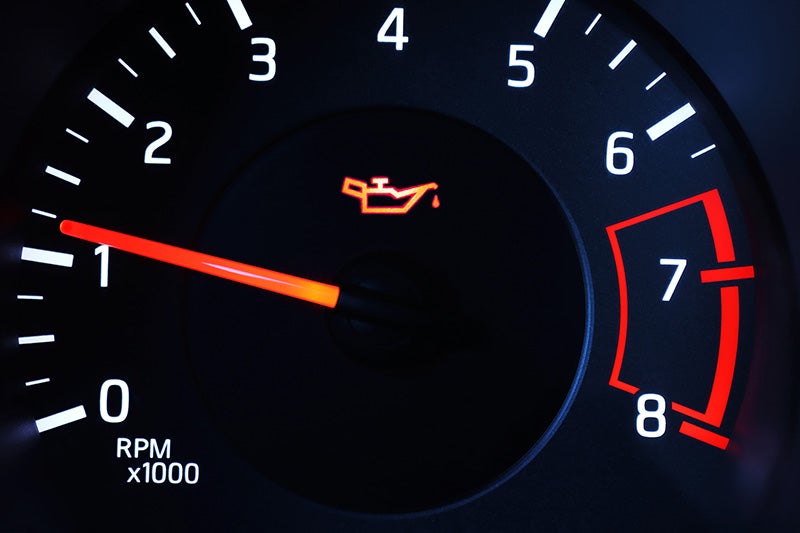
Why Is Your Chevy’s Oil Level Dropping Between Oil Changes? What to Check Before Your Next Service Visit

If you notice your Chevy oil level dropping between oil changes, start with a consistent measurement and a record of any oil added. A lower reading can reflect oil consumption, an external leak, or differences in how the level was checked. Repeated top-offs deserve attention, especially if the pattern has changed. Washington Chevrolet can help determine where the oil is going before recommending a repair. Oil Consumption and External Leaks Are Different Oil consumption means oil is being used internally during engine operation. Some consumption can occur, but the amount needs to be evaluated against guidance for the specific engine and its operating conditions. An external leak allows oil to escape through a seal, gasket, connection, or another component. You might notice spots beneath the vehicle, oily residue, or a burning smell if oil reaches a hot surface. No driveway spots does not rule out a leak. Oil may collect on an underbody panel or escape primarily while the engine runs. Likewise, smoke alone cannot identify a failed component. Report what you observe without assuming the cause. The Oil-Life Reminder Does Not Measure Oil Quantity Your Chevrolet’s Oil Life System estimates when an oil-and-filter change is due based on vehicle use. The remaining percentage is not a reading of how much oil is in the engine. That means a vehicle can need additional oil before its next scheduled change. Follow the owner’s manual’s oil-level checking instructions even when the oil-life display shows substantial life remaining. A “Change Engine Oil Soon” message also differs from an oil-pressure warning. If an “Oil Pressure Low/Stop Engine” warning appears, safely stop and shut off the engine. Do not restart it; contact the service team for guidance. Low oil pressure can damage the engine, and topping off does not establish that the pressure problem is resolved. Use the Checking Procedure for Your Model and Engine Find the engine-oil section in the owner’s manual for your Chevrolet’s exact model, year, and engine. Checking temperature, waiting time after shutdown, and the measuring method can differ. For a vehicle with a dipstick, the procedure generally involves parking on level ground, waiting the specified time, removing and wiping the dipstick, fully reinserting it, and reading it again. A slope or a check made too soon after shutdown can produce misleading results. If your vehicle uses an electronic oil-level measurement, follow its required conditions and display instructions instead. Do not assume a procedure from another Chevrolet applies. If oil is needed, use the viscosity and specification listed for your engine. Add only the amount directed, then recheck as instructed. Avoid overfilling or estimating the required amount from total engine capacity. Keep Records That Show the Pattern A simple phone note can help the technician evaluate Chevy oil consumption. Record: The date and odometer reading of each level check. The reading and whether you followed the same checking conditions. The exact amount and specification of oil added. The mileage and details of the last oil change. Recent towing, extended idling, highway travel, or repeated short trips. Photograph spots or residue when it is safe to do so. If you notice exhaust smoke, record its color and whether it appears at startup, during acceleration, or after idling. Also report warning lights, unusual noises, burning smells, and changes in how the engine runs. How Technicians Investigate the Cause The service team can verify the oil level and specification, inspect for external leaks, and review your maintenance and top-off records. Depending on the engine and findings, diagnosis may include checking crankcase ventilation, reviewing relevant diagnostic information, or conducting further engine tests. A monitored oil-consumption test may be appropriate. This establishes a documented starting level and measures oil use over a specified distance under consistent conditions. There is no single consumption rate or repair that applies to every Chevrolet engine. Diagnosis should determine whether the issue involves measurement, leakage, internal consumption, or another condition. Tell the Service Team About Top-Offs When Booking When you schedule service at Washington Chevrolet, explain that the oil level is dropping and how frequently you have added oil. Bring your records and mention any smoke, spots, warnings, or recent changes. You can also review Chevrolet oil-change service in Washington, PA. If repeated oil loss is the concern, request an evaluation alongside maintenance so the visit addresses more than replacing the oil and filter.

tire balancing and wheel alignment

Tire Balancing vs. Alignment: What's the Difference?

Your vehicle has an interesting way of letting you know something isn't quite right. Sometimes the steering wheel starts to shake on the highway. Other times it drifts toward the shoulder like it has somewhere else to be. Those two symptoms often point to two completely different services: tire balancing and wheel alignment. They sound similar, but they solve different problems, and knowing the difference can save both your tires and your wallet. Tire Balancing Keeps Things Running Smoothly Think of a tire like a washing machine during the spin cycle. If the weight isn't evenly distributed, things start wobbling in a hurry. That's exactly what happens when a tire and wheel assembly falls out of balance. At lower speeds you may never notice it. Get onto the highway, though, and the steering wheel can begin vibrating enough to remind you something isn't happy. During a tire balancing service, each wheel is placed on a balancing machine that identifies heavier areas. Small wheel weights are then installed to restore even weight distribution. It's a relatively quick service, and one that's commonly performed during tire rotations, after installing new tires, or any time vibration develops. Wheel Alignment Is About Direction A tire alignment service has nothing to do with balancing weight. Instead, technicians adjust the suspension angles, so each tire meets the road the way the engineers intended. Settings such as camber, caster, and toe all influence how the vehicle tracks and how evenly the tires wear. Hit a pothole hard enough or introduce your wheel to an unforgiving curb, and those settings can shift. The result is usually a vehicle that pulls left or right, along with tires that wear much faster on one edge than the other. Which One Does Your Vehicle Need? Fortunately, your vehicle usually provides a few clues. If the steering wheel vibrates, especially at highway speed, tire balancing is often the first place to look. If the vehicle refuses to travel in a straight line or the tire tread is wearing unevenly, an alignment inspection is the better starting point. Occasionally, both services are needed, particularly after replacing tires or suspension components. Addressing both at the same visit helps restore ride quality and maximize tire life. Routine Tire Service Pays Off Properly balanced tires and accurate alignment settings do more than improve comfort. They help tires wear evenly, improve handling, and reduce unnecessary strain on suspension components. That translates into longer tire life and a vehicle that's simply more enjoyable to drive every day. If you're searching for Chevrolet tire service, wheel alignment, or tire balancing near Washington, PA, regular inspections can help catch small concerns before they become expensive ones. Visit Washington Chevrolet for Tire Service If your steering wheel has started shaking, your vehicle pulls to one side, or your tires are wearing unevenly, now is an excellent time for a professional inspection. Visit is, serving Washington, PA, or schedule your tire service appointment online. Our factory-trained technicians can determine if your Chevrolet needs balancing, alignment, or both, helping keep every mile smooth, predictable, and ready for whatever road comes next.

2026 Chevrolet Silverado 1500

Silverado Trim Levels Explained for Washington, PA Truck Shoppers

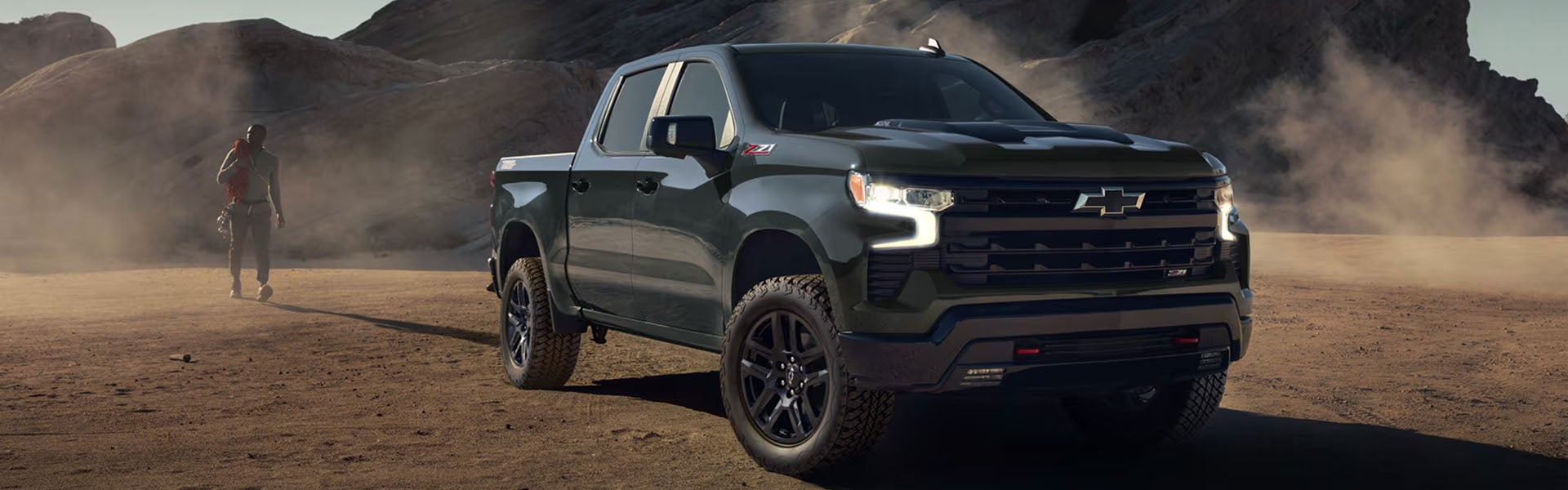
Are you searching for a dependable pickup to tackle tough jobs or elevate your daily commute? The 2026 Chevrolet Silverado 1500 stands out as an incredibly capable and well-rounded truck, offering several distinct configurations to match your lifestyle. Washington Chevrolet in Washington, PA, is here to help you navigate these options so you can confidently choose a straightforward work vehicle or a fully loaded daily driver. Contact our knowledgeable team today to find your perfect fit and learn more about our lineup. What Are the Chevy Silverado 1500 Trims? Chevy Silverado 1500 trims serve a wide range of drivers, from those needing a reliable job site tool to those seeking a comfortable, feature-rich vehicle. Configurations span from value-focused base models to premium options packed with modern technology. Understanding the differences across the lineup allows you to focus on essential features and avoid paying for unnecessary extras. Work Truck and Custom Trims At the entry level, configurations like the Work Truck and Custom prioritize durability and function. You will find capable powertrains, like the available 5.3L V8, solid towing capacity, and a straightforward setup that work-oriented buyers appreciate. The Custom adds extra style while keeping the truck highly practical, providing a solid middle ground for drivers seeking capability without jumping to higher tiers. LT, RST, and LTZ Trims Moving up the lineup, the LT introduces comfort-focused amenities like a larger 13.4" touchscreen and expanded connectivity options, including Apple CarPlay© and Android Auto©. The RST offers a sportier exterior appearance while maintaining classic Silverado capability. The LTZ delivers a noticeably refined experience with upgraded interior materials, advanced safety features, and polished aesthetics. High Country Trim The High Country sits at the top of the Silverado hierarchy, delivering a premium truck experience. This configuration caters to drivers desiring an upscale interior, distinctive styling, and extensive available features. Upgraded seating materials and advanced technology provide a refined ride while retaining the legendary towing and hauling capacity of the Silverado name. Test Drive Your 2026 Silverado at Washington Chevrolet Selecting the ideal trim depends entirely on your planned usage, daily tasks, and towing frequency. The best way to narrow down your options is to experience them firsthand. Stop by Washington Chevrolet in Washington, PA, to explore our available 2026 Silverado 1500 inventory. Our team is ready to help you find the exact truck to fit your life. Browse our digital showroom today to begin your journey.

Chevy Silverado 1500

Which Chevy Silverado 1500 Setup Fits Your Life?

The 2026 Chevy Silverado 1500 is one of the most versatile trucks on the road today. So, if you're hauling equipment during the week, heading out on the weekend, or simply need a reliable vehicle, the Silverado 1500 gives you options in how you configure it. Understanding the cab styles, bed lengths, and available utility features can help you make a smarter decision before you ever step on foot a lot. Choosing the Right Cab Style for the Chevy Silverado 1500 The Silverado 1500 comes in three cab configurations - Regular Cab, Double Cab, and Crew Cab. The Regular Cab is a solid choice if you spend most of your time working solo or with a single passenger. It keeps the truck's footprint shorter and leaves more flexibility when it comes to bed length. The Double Cab adds a small rear seat and rear-hinged back doors, making it a middle ground for drivers who occasionally need to bring a couple of extra people along. The Crew Cab offers the most rear passenger space, with four full-size doors and a comfortable back seat - ideal if you're regularly transporting a family or a full crew. Understanding Silverado 1500 Bed and Cab Options When it comes to Silverado 1500 bed and cab options, the bed length you choose matters just as much as the cab style. The Silverado 1500 is available with a Short Bed, a Standard Bed, and a Long Bed depending on the cab configuration you select. The approximately 70-in Short Bed pairs well with the Crew Cab and works great for drivers who prioritize cabin space and plan to use a trailer for larger loads. The Standard Bed is close to 80-in and balances interior room with cargo capacity, making it a popular choice. At just over 98-in, the Long Bed, typically paired with a Regular Cab, is the pick for those who regularly haul long materials like lumber or ladders without a trailer. Not all Silverado 1500 bed and cab options are available in every combination, so it's worth confirming availability when you shop. Utility Features That Make the Silverado 1500 Work Harder Beyond the structure itself, the Silverado 1500 is packed with features that enhance day-to-day practicality. The available EZ Lift-and-Lower tailgate makes loading and unloading easier on your back. Corner steps and bed steps help you get into bed without strain. Available LED cargo lighting helps you work after dark, while the Multi-Flex Tailgate - available on select trims - offers multiple positions for different loading needs. Power outlets in the bed and cabin keep your tools and devices charged on long days. Built-in trailering technology, including available in-vehicle trailering apps, helps take the guesswork out of hitching up and heading out. Tech and Connectivity Built for Busy Days The Silverado 1500 also comes well-equipped inside. A 13.4-in touchscreen keeps your navigation, audio, and phone connections easy to manage while you're on the move. Available Google built-in functionality, including Google Gemini, is now offered on select models, bringing AI-powered assistance directly to your dashboard. OnStar connectivity provides an added layer of safety and convenience, no matter if you're driving through town or out on a remote job site. Wireless charging, available Wi-Fi hotspot capability, and a range of driver assistance features round out the package for drivers who need to stay connected and focused. Find Your Silverado 1500 Near Washington, PA The right Chevy Silverado 1500 configuration for you depends on how you actually use your truck. From Silverado 1500 bed and cab options to onboard tech and trailering tools, the 2026 Silverado 1500 is built to handle whatever your week looks like. Come on in and see us at Washington Chevrolet so we can help you explore our available inventory, compare trim levels, and find the setup that fits your life.

Chevy Silverado 1500

Chevy Silverado 1500 vs Silverado HD: Which Truck Do You Need?

If you are shopping for a new Chevy truck, you may be comparing the Chevy Silverado 1500 vs Silverado HD. Both trucks are capable, dependable, and built for hard work, but they are not built for the exact same driver. The Silverado 1500 is a light-duty truck that fits many daily driving, towing, and weekend needs. The Silverado HD lineup, which includes Silverado 2500 HD and Silverado 3500 HD models, is built for heavier jobs, bigger trailers, and more demanding work. If you are hauling tools around Washington, PA, towing a camper for weekend trips, or pulling equipment every week, knowing the difference can help you choose the right Silverado without buying more truck than you need. Browse All Chevy Trucks For Sale in Washington, PA What the Chevy Silverado 1500 Is Built For The Chevy Silverado 1500 is a strong fit for drivers who want truck capability without giving up everyday comfort. It works well for commuting, errands, home projects, weekend towing, and regular driving around Washington County. When properly equipped, the 2026 Silverado 1500 offers up to 13,300 pounds of max available towing. That gives many drivers enough strength for boats, utility trailers, smaller campers, work gear, and weekend equipment. The Silverado 1500 also tends to feel more manageable for daily driving than a heavy-duty truck. If you plan to use your pickup as your main vehicle, that matters. It can be easier to park, smoother on normal roads, and more practical for drivers who do not need heavy-duty capability every day. What the Silverado HD Brings to the Table The Silverado HD is built for bigger jobs. If your workweek includes heavy trailers, equipment, large payloads, or jobsite demands, the HD lineup is where your search should start. The Silverado HD includes 2500 HD and 3500 HD models. When properly equipped, the 2026 Silverado HD can reach up to 36,000 pounds of max available diesel towing. That is a major step up from Silverado 1500 capability and makes a big difference for drivers who tow heavy loads often. These are the kinds of Chevrolet work trucks that contractors, landscapers, business owners, farmers, and serious towers may want to compare. If your truck is part of how you make a living, the extra strength of a Silverado HD can be worth it. Towing Is Where the Difference Stands Out Towing is one of the biggest reasons shoppers compare Silverado 1500 and Silverado HD. The Silverado 1500 can handle many common towing needs, including small campers, boats, utility trailers, ATVs, and light work trailers. The Silverado HD is designed for heavier towing. If you regularly pull equipment trailers, large campers, fifth-wheel trailers, gooseneck trailers, or heavier work loads, the HD lineup gives you more room to grow. The key is to think about what you tow most often. Do not choose based only on the biggest load you might pull once. Choose based on your normal routine, your trailer weight, your cargo, your passengers, and how often you tow. Payload and Bed Use Matter Too Towing is important, but payload also matters. Payload refers to how much weight your truck can carry in the cab and bed. That includes passengers, tools, materials, cargo, and equipment. If you usually carry lighter materials, weekend gear, or smaller loads, a Silverado 1500 may be enough. If you regularly fill the bed with heavy tools, stone, mulch, equipment, or jobsite materials, a Silverado HD may be the better long-term choice. The HD lineup is built with a stronger frame, suspension, and overall work-ready structure for heavier demands. If your truck bed is used hard every week, that added strength can make a difference. Daily Driving: Silverado 1500 Has an Advantage If your truck spends most of its time on normal roads, the Silverado 1500 may be the better everyday fit. It gives you pickup capability while still feeling comfortable for commuting, errands, school drop-offs, road trips, and daily use. For many shoppers, that balance is the main reason to choose the 1500. You still get bed space, available 4x4 capability, trailering features, and strong engine options, but you do not have to drive a larger heavy-duty truck when you do not need one. If your truck is both your work vehicle and your family vehicle, the Silverado 1500 is worth a close look. Work Needs: Silverado HD Makes More Sense If your truck is primarily a work tool, the Silverado HD may be the smarter choice. It is built for drivers who need more towing strength, more hauling confidence, and more durability for demanding jobs. The Silverado 2500 HD may be a good step up for heavy-duty needs without moving all the way to the maximum capability of a 3500 HD. The Silverado 3500 HD may make more sense if you need the highest towing ratings, dual-rear-wheel configurations, or serious commercial-grade strength. This is where it helps to be honest about your work. If your truck regularly pulls heavy trailers or carries heavy materials, the HD lineup is designed for that kind of use. Which Silverado Should You Choose? Choosing between the Chevy Silverado 1500 vs Silverado HD comes down to how you use your truck most of the time. Choose the Silverado 1500 if you want a capable truck for daily driving, weekend towing, home projects, and lighter work needs. It gives you a strong mix of comfort, power, technology, and practicality. Choose the Silverado HD if you tow heavy trailers, haul serious weight, run a business from your truck, or need extra strength for demanding jobs. It is built for drivers who need more truck because the work actually calls for it. Think about your average week. That is usually the best way to find the right fit. Compare Silverado Trucks at Washington Chevrolet If you are still deciding between Silverado 1500 and Silverado HD, Washington Chevrolet can help you compare both options in person. Our team can walk you through towing needs, cab styles, bed lengths, trims, 4x4 options, finance options, and current availability. Browse our /new-chevy-trucks-silverado-deals-washington-pa new Chevy trucks for sale in Washington, PA, view our new Silverado 1500 inventory, or compare the full new Chevy truck inventory online. When you are ready to take the next step, you can get pre-approved online or value your trade before visiting Washington Chevrolet.

Summer Service Checklist

Chevrolet Summer Service Checklist Before Your Next Road Trip

Summer is a great time to pack up your Chevy and head out on the road. But before you leave Washington, PA for a weekend getaway, family vacation, or long highway drive, it helps to make sure your vehicle is ready for the heat and extra miles. A Chevrolet summer service checklist can help you catch small issues before they turn into bigger problems. Tires, brakes, fluids, battery health, cooling performance, and air conditioning all matter when your Chevy is carrying passengers, luggage, and road trip gear through warm weather. Schedule Service Before Your Road Trip Why Summer Service Matters for Your Chevy Warm weather can be tough on your vehicle. Long drives, stop-and-go traffic, heavy cargo, and hot pavement can place extra stress on your Chevy’s tires, battery, cooling system, and fluids. That is why a Chevy road trip service visit is a smart step before summer travel. A trained technician can inspect key systems, look for signs of wear, and help you feel more confident before you leave town. If your vehicle is already close to needing an oil change, tire rotation, brake inspection, or battery test, it is usually better to handle it before the trip instead of waiting until after. Check the Cooling System Your cooling system should be near the top of your summer service checklist. When temperatures rise, your engine has to work harder to stay cool. Before a road trip, have the coolant level checked. It is also helpful to inspect hoses for cracks, leaks, or soft spots. A technician can check for signs of wear and make sure the system is ready for longer drives in hot weather. An overheating engine can interrupt a trip quickly. Checking the cooling system before you leave can help lower that risk. Inspect Your Tires Before Highway Driving Your tires affect handling, braking, fuel economy, and ride comfort. They are also one of the most important safety items to check before a long drive. Before your trip, check the tire pressure and make sure it matches the recommended level for your Chevrolet. You should also look at tread depth, uneven wear, cracks, bulges, or damage. If your vehicle has a spare tire, check that too. Summer heat can affect tire pressure, especially during long highway drives. If your low tire pressure light is on or one tire keeps losing air, schedule Chevy tire service before your trip. If you already know your tires need to be replaced, you can also use the Tire Finder to start looking for tires that match your Chevrolet. Test Your Battery Many drivers think about battery problems in winter, but summer heat can also shorten battery life. Hot weather can speed up wear inside the battery, especially if it is already older or weak. If your battery is three or more years old, have it tested before a long road trip. A technician can check the charge, inspect the terminals, and look for corrosion or loose connections. A quick battery test can help you avoid a no-start situation while you are away from home. Refresh Important Fluids Fluids help protect your Chevrolet during daily driving and longer trips. Before summer travel, make sure key fluids are at the proper level and in good condition. This can include engine oil, coolant, brake fluid, transmission fluid, power steering fluid, and windshield washer fluid. Fresh oil is especially important before extended highway driving because it helps protect engine parts from heat and friction. If your Chevy is close to needing an oil change, handle it before the trip. It is a simple step that can help your vehicle stay ready for the road. Check Brakes and Exterior Lights Brakes should always be checked before a road trip, especially if you have noticed squeaking, grinding, vibration, or a longer stopping distance. A technician can inspect the brake pads, rotors, and related components to make sure everything is ready for the road. It is also a good idea to test your exterior lights. Check the headlights, taillights, brake lights, turn signals, and hazard lights. Summer trips often include early starts, evening driving, rain, or heavy traffic, so working lights are important for visibility and safety. Make Sure the Air Conditioning Works A working air conditioning system can make a big difference during a Pennsylvania summer. If your Chevy is not cooling like it should, have the system inspected before your trip. Low refrigerant, weak airflow, or a clogged cabin air filter can make the cabin uncomfortable. Replacing the cabin air filter can also help improve airflow and air quality inside the vehicle. If your A/C feels weak now, it may feel worse after hours of summer driving. Look Over Wipers and Windshield Washer Fluid Summer weather can change quickly. A sunny drive can turn into heavy rain, and road grime can build up fast during highway travel. Check your windshield wipers before your trip. If they streak, skip, squeak, or leave part of the windshield unclear, it may be time to replace them. You should also top off windshield washer fluid so you are ready for bugs, dust, and rainy weather. Pack a Simple Road Trip Kit Service is important, but it also helps to keep a few basics in your vehicle. Consider packing phone chargers, bottled water, a flashlight, jumper cables, a tire pressure gauge, basic first-aid supplies, and anything your family may need during the drive. You should also make sure your owner’s manual, insurance information, and roadside assistance details are easy to find. Schedule Chevrolet Service Before You Travel Before your next summer road trip, bring your Chevy to Washington Chevrolet for service. Our team can help inspect your tires, brakes, battery, fluids, cooling system, A/C, and other key items before you leave. Whether you drive a Chevy Silverado, Equinox, Traverse, Tahoe, Trailblazer, Trax, Colorado, or another Chevrolet model, we can help you get ready for the miles ahead. <a href="/service">Schedule Chevrolet service in Washington, PA</a> and enjoy your next road trip with more peace of mind.

Contact Us

Fill out this form below and we'll contact you shortly
*Required Fields