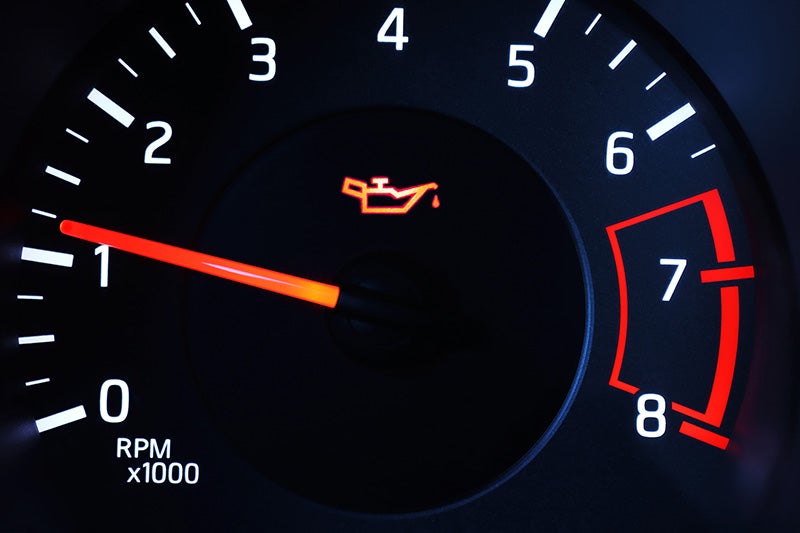




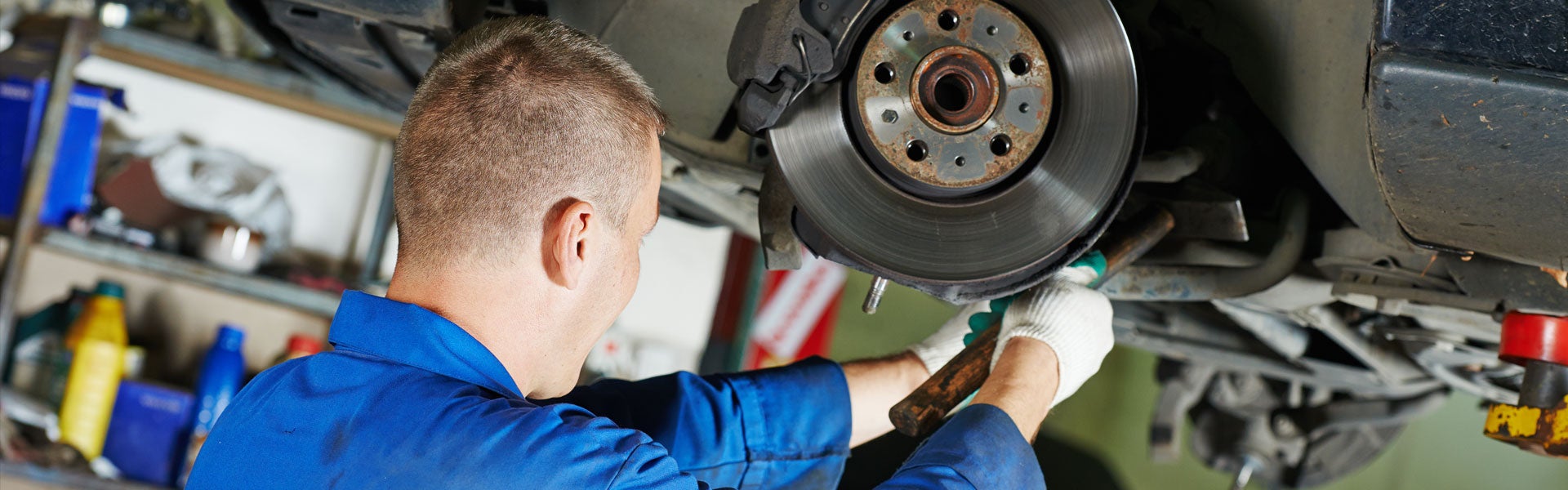
If your Chevrolet displays a "Service Brake Assist" warning, the vehicle may have detected a problem with the system that helps reduce the effort needed to apply the brakes. Depending on the vehicle and the fault, you might notice a harder brake pedal, unusual pedal feedback, or longer stopping distances. Possible causes include brake booster problems, pressure or vacuum sensor faults, electrical issues, and brake system control malfunctions. Because braking performance may be affected, a Chevy Service Brake Assist warning should never be ignored. If your brakes feel different or the vehicle takes longer to stop, pull over carefully when safe and arrange professional assistance rather than continuing to drive.
For Chevrolet owners around Washington, Canonsburg, Houston, and Claysville, dependable braking is particularly important when traveling through Southwestern Pennsylvania's hills, curves, and changing weather conditions. Whether you drive a Silverado, Equinox, Traverse, Tahoe, Malibu, or another Chevrolet, understanding what this warning means can help you respond safely and recognize when your vehicle needs professional service.
Quick Answer: What Does "Service Brake Assist" Mean on a Chevy?
The "Service Brake Assist" message generally means your Chevrolet has detected a concern with its brake-assist or brake-boost system. Depending on the model, that system may use vacuum assistance, electronic controls, or an electrically powered brake booster to help the driver apply braking force.
A brake-assist fault can increase the force needed to press the pedal or affect stopping performance. The warning does not automatically mean the brakes have completely failed, but it does mean you should not assume normal braking capability.
If braking performance changes, stop carefully in a safe location and arrange towing or roadside assistance. If the message appears without obvious braking symptoms, consult the owner's manual and contact a Chevrolet service professional promptly for guidance before continuing to use the vehicle.
What Is Chevrolet Brake Assist and How Does It Work?
Modern Chevrolet vehicles use brake-assist technology to help drivers apply the force needed to slow or stop the vehicle.
In vehicles with a conventional vacuum-assisted braking system, a brake booster helps reduce the physical effort required at the brake pedal. Other Chevrolet models use electronically controlled systems that coordinate braking assistance through motors, sensors, and control modules.
Although the designs differ, the purpose is similar: helping provide predictable and effective braking response.
If an important part of the system develops a fault, the driver may have to press harder on the brake pedal or may notice changes in how the brakes respond.
Is Brake Assist the Same as Automatic Emergency Braking?
No. Brake boost or power brake assist helps the driver operate the regular braking system. Automatic Emergency Braking is a separate driver-assistance feature that can apply braking in certain detected collision scenarios.
A "Service Brake Assist" message should not be confused with an Automatic Emergency Braking unavailable indicator or a forward collision warning.
The exact function involved depends on the Chevrolet model and its equipment. A professional diagnostic inspection can help determine which system reported the fault.
Common Symptoms Associated With a Chevy Service Brake Assist Warning
A dashboard warning may appear before a driver notices a significant change in braking. In other cases, the warning accompanies noticeable symptoms.
| Symptom | What It May Indicate | Recommended Response |
|---|---|---|
| "Service Brake Assist" message | Possible fault in the brake boost system or related controls | Stop safely, consult the owner's manual, and arrange prompt professional evaluation. |
| Hard or stiff brake pedal | Possible reduction in power brake assistance | Stop carefully and arrange roadside assistance or towing. |
| Vehicle requires more distance to stop | Reduced braking assistance or another braking problem | Stop driving as soon as it is safe and arrange towing. |
| Brake pedal feels unusually soft or sinks farther than normal | Possible hydraulic brake system or other serious braking concern | Do not continue driving; arrange professional assistance. |
| Brake pedal pulsation or unusual feedback | May accompany certain brake-assist system operating or fault conditions | Evaluate with the exact warning messages and vehicle symptoms. |
| ABS or stability-control warnings also appear | Possible related brake control or electrical fault | Have the complete brake system inspected promptly. |
| Red brake system warning remains illuminated | Potential fault affecting the regular braking system | Stop carefully and have the vehicle towed for service. |
These are possible warning signs rather than confirmed diagnoses. A vehicle may have a brake-assist fault without displaying every symptom, and similar symptoms can arise from different braking problems.
What Causes the Service Brake Assist Warning on Chevrolet Vehicles?
Several different issues may trigger the warning. The exact cause depends on your Chevrolet's model year, braking system design, diagnostic trouble codes, and inspection findings.
1. Brake Booster or Brake Assist Component Problems
The brake booster is designed to reduce the effort needed to operate the brakes. If the booster or a related assist component cannot provide the expected assistance, the pedal may become harder to press.
On vehicles using vacuum assistance, a problem with the vacuum supply, pump, hoses, or booster may affect braking effort.
On vehicles equipped with an electronic brake boost system, a problem may involve electrical or electronically controlled brake-assist components.
Because Chevrolet has used different braking systems across its vehicles, the correct repair depends on identifying the specific system and fault.
2. Brake Pressure or Vacuum Sensor Faults
Depending on the vehicle, sensors may monitor brake pressure, vacuum levels, pedal input, or other information needed for proper brake-assist operation.
If a sensor provides an incorrect or inconsistent reading, the vehicle may display a warning even when the actual fault is not a completely failed brake booster.
GM service information has documented certain vehicle-specific conditions involving brake booster pressure sensing and related electrical circuits.
However, a warning message alone does not prove that a pressure sensor needs replacement. Diagnostic testing is necessary to identify the problem.
3. Electrical Connections and Wiring Problems
Electronic braking systems rely on electrical connections to communicate between sensors, control modules, and applicable brake-assist components.
Damaged wiring, corroded connectors, poor electrical grounds, or power supply problems may interfere with that communication.
An intermittent connection can sometimes create a warning that appears during one trip and disappears during another.
Technicians may need to test the applicable circuits before determining whether a sensor, module, or other component actually requires replacement.
4. Brake System Control Module Faults
Many Chevrolet braking systems use an electronic control module to monitor operation and coordinate related braking functions.
Depending on the model, a brake control fault may trigger Service Brake Assist along with ABS, stability-control, or other dashboard warnings.
Certain GM technical service documents have also identified vehicle-specific software or calibration concerns that can contribute to brake-assist warnings.
That does not mean every warning is caused by software. Technicians must determine whether the concern involves programming, electronics, mechanical components, or another fault.
5. Other Brake System Problems
Hydraulic system problems, brake fluid concerns, or other faults may cause abnormal braking symptoms or additional dashboard warnings.
For example, a soft pedal or reduced stopping performance may point to a different concern than a loss of booster assistance.
This is why it is important to describe the exact symptoms rather than assume all brake problems have the same cause.
Replacing brake pads or rotors alone will not necessarily resolve a Service Brake Assist warning. The problem may involve brake assistance or electronic controls instead of normal friction-component wear.
Can You Drive With the Service Brake Assist Warning On?
A Service Brake Assist warning should be treated seriously because the braking system may not be providing the assistance or response the driver expects.
In some cases, the regular braking system may continue to function, but the driver may need to apply more pedal force. In others, braking performance may be affected more substantially.
Because you cannot determine the fault's severity from the message alone, continuing normal driving is not a safe assumption.
When to Stop Driving and Arrange Towing
If your Chevy displays a brake-assist warning and you experience any of the following, find a safe place to stop and do not continue driving:
- A noticeably stiff brake pedal: You must press much harder than normal to slow the vehicle.
- Longer stopping distances: The vehicle does not slow as expected.
- A soft or sinking brake pedal: Pedal travel feels excessive or braking response has changed significantly.
- A persistent red brake system warning: Chevrolet advises stopping carefully and arranging towing if the warning remains illuminated.
- Severe pulling, grinding, or other abnormal braking behavior: The vehicle cannot be slowed or controlled predictably.
- Multiple urgent brake warnings: Additional alerts suggest a potentially more serious braking system problem.
Slow and stop carefully using the safest available location. If the vehicle cannot be stopped safely or an immediate collision risk exists, contact emergency services. Once stopped, arrange roadside assistance or towing instead of attempting to drive to a routine service appointment.
Why Does My Chevy's Brake Pedal Feel Hard?
A brake pedal that suddenly becomes much harder to press may indicate that the vehicle has lost some or all of its normal power brake assistance.
In a properly operating brake-assist system, the driver can generate substantial braking force without having to apply excessive physical pressure.
If that assistance is reduced, stopping the vehicle may require noticeably greater effort. GM documentation for certain Chevrolet models has connected brake-assist faults with increased pedal effort and longer stopping distances.
A stiff brake pedal is not a symptom to investigate through repeated test driving. If the change occurs while you're moving, stop safely and arrange professional assistance.
Why Is My Brake Pedal Pulsating or Feeling Different?
Unusual brake pedal feedback can have several possible explanations.
During certain hard-braking situations, a properly functioning ABS may create a brief pulsing sensation as it helps manage wheel lockup. That can be normal.
Some Chevrolet owner's manuals also describe brake boost motor noise or pedal pulsation that may accompany specific brake-assist fault conditions.
However, a new or persistent pedal sensation combined with a Service Brake Assist message should not be dismissed as normal ABS operation.
The exact dashboard warning, driving conditions, and changes in stopping performance should be evaluated together.
Why Brake Assist Problems Matter on Southwestern Pennsylvania Roads
Effective braking matters everywhere, but the hills and changing road conditions around Southwestern Pennsylvania can make unexpected brake pedal behavior particularly concerning.
Washington, PA: Daily Commuting and Hills
Drivers traveling around Washington encounter intersections, traffic, and changes in elevation. If brake assistance is reduced, the additional effort or distance needed to stop may make ordinary driving more difficult.
If a brake-assist warning appears with a change in pedal feel, stop in a safe location and arrange assistance rather than continuing through traffic.
Canonsburg and Houston: Regional Travel
Drivers commuting through Canonsburg and Houston may regularly use busy local roads and connecting highways.
Predictable brake response is especially important when traffic slows unexpectedly. A recurring Service Brake Assist warning deserves professional attention before the vehicle is relied upon for regular commuting.
Claysville: Rural Roads and Changing Weather
Drivers around Claysville may encounter winding roads, hills, and changing pavement conditions throughout the year.
Rain, snow, and ice already reduce available tire traction. A braking system concern adds another risk because the driver may not be able to rely on the vehicle's usual stopping performance.
Always maintain appropriate tires and drive for conditions, but remember that tire maintenance cannot correct a brake-assist malfunction.
What Should You Do When Your Chevy Says Service Brake Assist?
The following steps can help you respond safely and provide useful information when arranging Chevrolet brake service.
- Find a safe place to stop. If braking response has changed, avoid continuing your trip. Stop carefully and arrange assistance.
- Note the exact warning. Record whether the message says "Service Brake Assist," "Service Brake System," or something else.
- Check for other dashboard indicators. Note any red brake system, ABS, traction control, or stability-control warnings.
- Describe any brake pedal changes. Tell the service team if the pedal felt stiff, unusually soft, or different from normal.
- Do not attempt to test the brakes on the road. Repeated braking experiments may be unsafe when assistance or stopping performance is uncertain.
- Contact Chevrolet Certified Service. Explain the warning and symptoms so the team can advise you about inspection and whether towing is necessary.
Avoid disconnecting the battery or clearing diagnostic trouble codes simply to remove the warning. Doing so may erase information useful for identifying the underlying problem.
How Do Chevrolet Technicians Diagnose a Service Brake Assist Warning?
Accurate brake diagnostics require more than checking whether the warning disappears after the vehicle is restarted.
Depending on the Chevrolet model and symptoms, a professional inspection may involve:
- Reading diagnostic trouble codes: Retrieving relevant fault information from brake system control modules and other applicable vehicle systems.
- Inspecting brake-assist components: Evaluating the vehicle's vacuum-assisted or electronically boosted braking equipment.
- Checking pressure and sensor information: Reviewing applicable readings and testing for abnormal signals.
- Testing electrical circuits: Looking for damaged wiring, poor grounds, and communication problems.
- Evaluating related braking systems: Investigating ABS, hydraulic brake components, or other systems when indicated.
- Checking vehicle-specific GM guidance: Reviewing applicable service procedures, software information, and manufacturer instructions.
A diagnostic trouble code helps identify the affected circuit or system, but it does not always identify a failed part by itself.
For example, a brake pressure sensor-related fault might involve the sensor, its wiring, or a related control issue. Additional testing may be needed before repairs are recommended.
This is also why a standard brake pad replacement may not resolve a brake-assist warning. The repair should address the actual fault identified during diagnosis.
Does Service Brake Assist Mean You Need a New Brake Booster?
Not necessarily. A brake booster or its supporting components may be involved, but the warning can also result from sensor, electrical, control-module, or other braking system issues.
The correct diagnosis depends on the braking system design and the results of the inspection.
Replacing a brake booster without confirming the cause may leave the underlying problem unresolved.
What If the Service Brake Assist Warning Disappears?
Some brake-related warnings may disappear after the vehicle is restarted or when an intermittent fault is no longer active.
However, the message disappearing does not confirm that the braking system has been repaired.
A stored diagnostic trouble code may still help a technician identify the concern. If the warning returns, or the brake pedal behaves abnormally at any point, arrange professional inspection before using the vehicle again.
Do not assume a recurring brake-assist problem is harmless simply because the warning is intermittent.
When Should You Schedule Chevrolet Brake Diagnostics?
Consider contacting Washington Chevrolet for Chevrolet brake diagnostics in Washington, PA if you notice:
- A Service Brake Assist message that stays on or returns.
- Brake pedal effort that feels different from normal.
- Unusual brake pedal vibration, pulsation, or response.
- ABS, stability-control, or other brake warnings appearing together.
- A brake system warning following recent service or an electrical issue.
- Any suspected decrease in braking performance.
If braking is noticeably reduced or the red brake warning remains illuminated, do not treat the situation as a routine drive-in appointment. Stop safely and arrange towing or qualified roadside assistance.
You can also visit Washington Chevrolet's Certified Service Department page for information about brake inspections, routine maintenance, and GM Genuine Parts.
Frequently Asked Questions About Chevy Service Brake Assist Warnings
What does Service Brake Assist mean on a Chevy?
It generally indicates that the vehicle has detected a problem involving its brake-assist or brake-boost system. Depending on the fault, the brake pedal may become harder to press or stopping performance may change. A professional inspection is needed to determine the cause.
Can I drive with the Chevy Service Brake Assist warning?
You should not assume the vehicle is safe to drive. Brake assistance may be reduced even if the brakes have not completely failed. Stop safely and contact a qualified service professional. If the pedal feels abnormal, stopping distances increase, or a red brake warning remains on, arrange towing rather than continuing to drive.
Why is my brake pedal suddenly hard to push?
A hard brake pedal may indicate reduced power brake assistance, although other problems are possible. This can increase the effort needed to stop the vehicle. If it occurs while driving, stop safely and arrange professional assistance.
Can a bad brake booster cause Service Brake Assist?
Yes. A booster or related component problem can affect brake assistance on applicable Chevrolet vehicles. However, sensor, wiring, electronic control, and other system faults can produce similar warnings. Testing is necessary before recommending replacement.
Can a sensor cause the Service Brake Assist warning?
Yes. Certain brake-assist systems rely on pressure, vacuum, or other sensor information. A faulty sensor or related electrical circuit may cause a warning, but the exact problem must be identified through vehicle-specific diagnostic procedures.
Is Service Brake Assist the same as an ABS warning?
No. Brake assist helps reduce the effort needed to brake, while ABS helps manage wheel lockup during certain braking situations. These systems may share control components on some vehicles, so both warnings can sometimes appear together.
Can I fix a Service Brake Assist warning by changing brake pads?
Not necessarily. Brake pads are friction components, while a Service Brake Assist warning may involve the booster, sensors, electronics, or other braking system controls. The correct repair depends on the underlying cause.
Why did the warning go away after restarting my Chevrolet?
Some faults are intermittent, so the warning may disappear temporarily. That does not prove the problem has been corrected. If the message returns or braking symptoms occur, arrange professional evaluation.
Does Service Brake Assist mean my brakes have completely failed?
Not always. Certain brake-assist faults can leave some braking function available while requiring greater pedal effort. However, the warning does not establish how much braking capability remains. Stop safely and seek professional guidance rather than assuming the system is functioning normally.
Where can I get Chevrolet brake diagnostics near Washington, PA?
Washington Chevrolet provides Certified Service for drivers from Washington, Canonsburg, Houston, Claysville, and nearby communities. You can request a Chevrolet service appointment or call the service department at 724-825-4085. If your vehicle has reduced braking performance, arrange towing instead of driving it to the dealership.
Schedule Chevrolet Brake Diagnostics at Washington Chevrolet
A Service Brake Assist warning may involve the brake booster, pressure sensors, electrical connections, control modules, or another component of your Chevrolet's braking system.
Because different faults can produce similar symptoms, identifying the actual cause is important before recommending repairs.
Washington Chevrolet's Certified Service team helps drivers throughout Washington, Canonsburg, Houston, Claysville, and Southwestern Pennsylvania with brake inspections, warning light diagnostics, and vehicle maintenance.
When contacting our service department, provide your Chevrolet's model year, the exact warning message, and any changes in brake pedal effort or stopping performance. If additional ABS or brake system warnings appeared, mention those as well.
You can also review current Chevrolet service and parts specials for applicable brake maintenance offers. Keep in mind that discounts on routine brake services may not apply to diagnostic testing or specialized brake-assist repairs.
This article provides general educational information and is not a substitute for professional automotive diagnosis or the Chevrolet owner's manual. Brake-assist systems, warning messages, and diagnostic procedures vary by model, model year, and equipment. A Service Brake Assist warning may involve a safety-critical braking system concern. If stopping performance is reduced, the brake pedal behaves abnormally, or a red brake system warning remains illuminated, stop safely and arrange qualified assistance or towing. Do not continue operating a vehicle with unsafe braking performance.