



If you notice your Chevy oil level dropping between oil changes, start with a consistent measurement and a record of any oil added. A lower reading can reflect oil consumption, an external leak, or differences in how the level was checked.
Repeated top-offs deserve attention, especially if the pattern has changed. Washington Chevrolet can help determine where the oil is going before recommending a repair.
Oil Consumption and External Leaks Are Different
Oil consumption means oil is being used internally during engine operation. Some consumption can occur, but the amount needs to be evaluated against guidance for the specific engine and its operating conditions.
An external leak allows oil to escape through a seal, gasket, connection, or another component. You might notice spots beneath the vehicle, oily residue, or a burning smell if oil reaches a hot surface.
No driveway spots does not rule out a leak. Oil may collect on an underbody panel or escape primarily while the engine runs. Likewise, smoke alone cannot identify a failed component. Report what you observe without assuming the cause.
The Oil-Life Reminder Does Not Measure Oil Quantity
Your Chevrolet’s Oil Life System estimates when an oil-and-filter change is due based on vehicle use. The remaining percentage is not a reading of how much oil is in the engine.
That means a vehicle can need additional oil before its next scheduled change. Follow the owner’s manual’s oil-level checking instructions even when the oil-life display shows substantial life remaining.
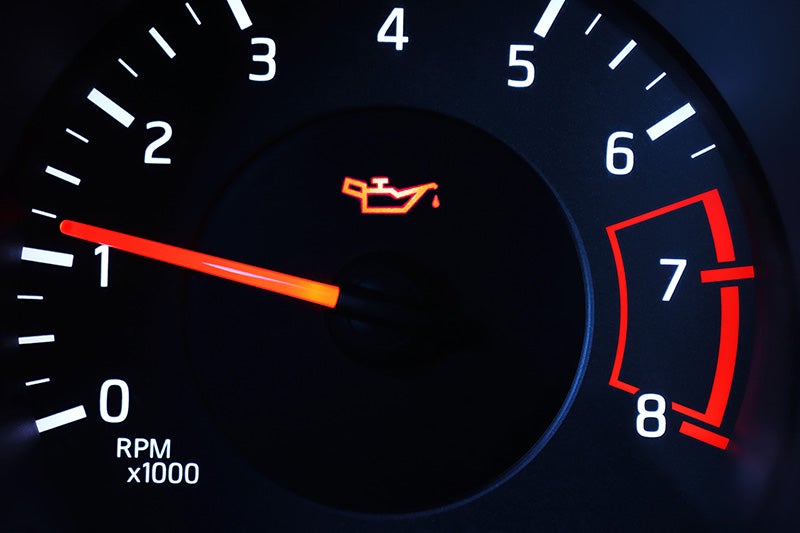
A “Change Engine Oil Soon” message also differs from an oil-pressure warning. If an “Oil Pressure Low/Stop Engine” warning appears, safely stop and shut off the engine. Do not restart it; contact the service team for guidance. Low oil pressure can damage the engine, and topping off does not establish that the pressure problem is resolved.
Use the Checking Procedure for Your Model and Engine
Find the engine-oil section in the owner’s manual for your Chevrolet’s exact model, year, and engine. Checking temperature, waiting time after shutdown, and the measuring method can differ.
For a vehicle with a dipstick, the procedure generally involves parking on level ground, waiting the specified time, removing and wiping the dipstick, fully reinserting it, and reading it again. A slope or a check made too soon after shutdown can produce misleading results.
If your vehicle uses an electronic oil-level measurement, follow its required conditions and display instructions instead. Do not assume a procedure from another Chevrolet applies.
If oil is needed, use the viscosity and specification listed for your engine. Add only the amount directed, then recheck as instructed. Avoid overfilling or estimating the required amount from total engine capacity.
Keep Records That Show the Pattern
A simple phone note can help the technician evaluate Chevy oil consumption. Record:
- The date and odometer reading of each level check.
- The reading and whether you followed the same checking conditions.
- The exact amount and specification of oil added.
- The mileage and details of the last oil change.
- Recent towing, extended idling, highway travel, or repeated short trips.
Photograph spots or residue when it is safe to do so. If you notice exhaust smoke, record its color and whether it appears at startup, during acceleration, or after idling. Also report warning lights, unusual noises, burning smells, and changes in how the engine runs.
How Technicians Investigate the Cause
The service team can verify the oil level and specification, inspect for external leaks, and review your maintenance and top-off records. Depending on the engine and findings, diagnosis may include checking crankcase ventilation, reviewing relevant diagnostic information, or conducting further engine tests.
A monitored oil-consumption test may be appropriate. This establishes a documented starting level and measures oil use over a specified distance under consistent conditions.
There is no single consumption rate or repair that applies to every Chevrolet engine. Diagnosis should determine whether the issue involves measurement, leakage, internal consumption, or another condition.
Tell the Service Team About Top-Offs When Booking
When you schedule service at Washington Chevrolet, explain that the oil level is dropping and how frequently you have added oil. Bring your records and mention any smoke, spots, warnings, or recent changes.
You can also review Chevrolet oil-change service in Washington, PA. If repeated oil loss is the concern, request an evaluation alongside maintenance so the visit addresses more than replacing the oil and filter.