




Blog / Canonsburg Chevrolet Dealer

Chevy Silverado 1500 vs Silverado HD: Which Truck Do You Need?

Chevy Silverado 1500

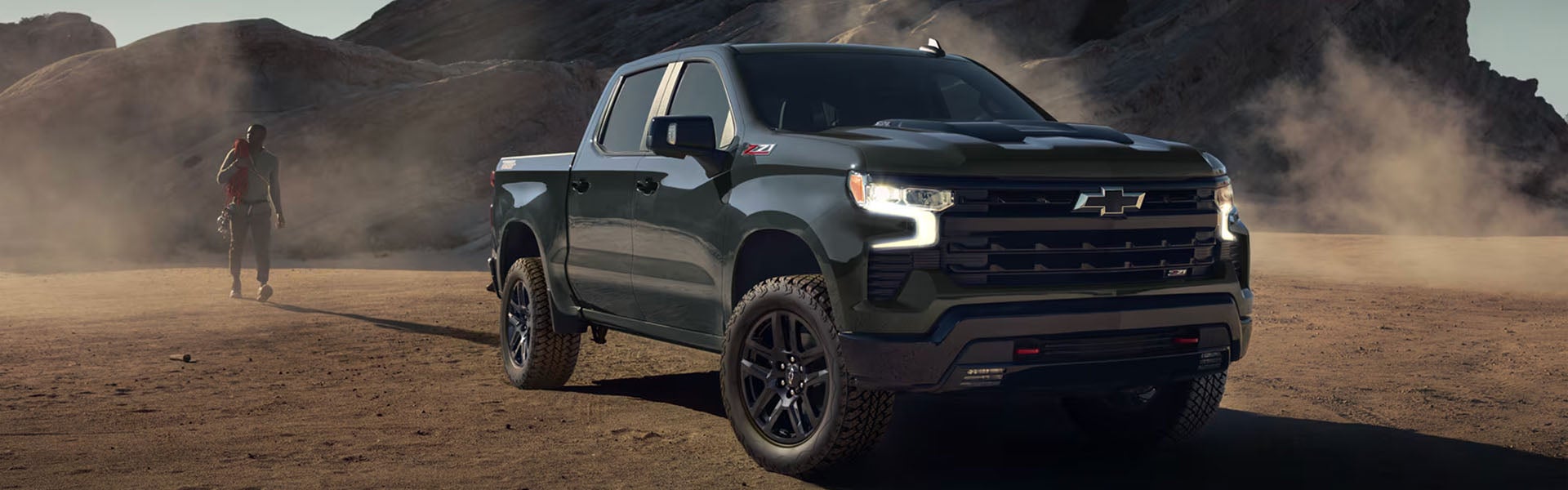
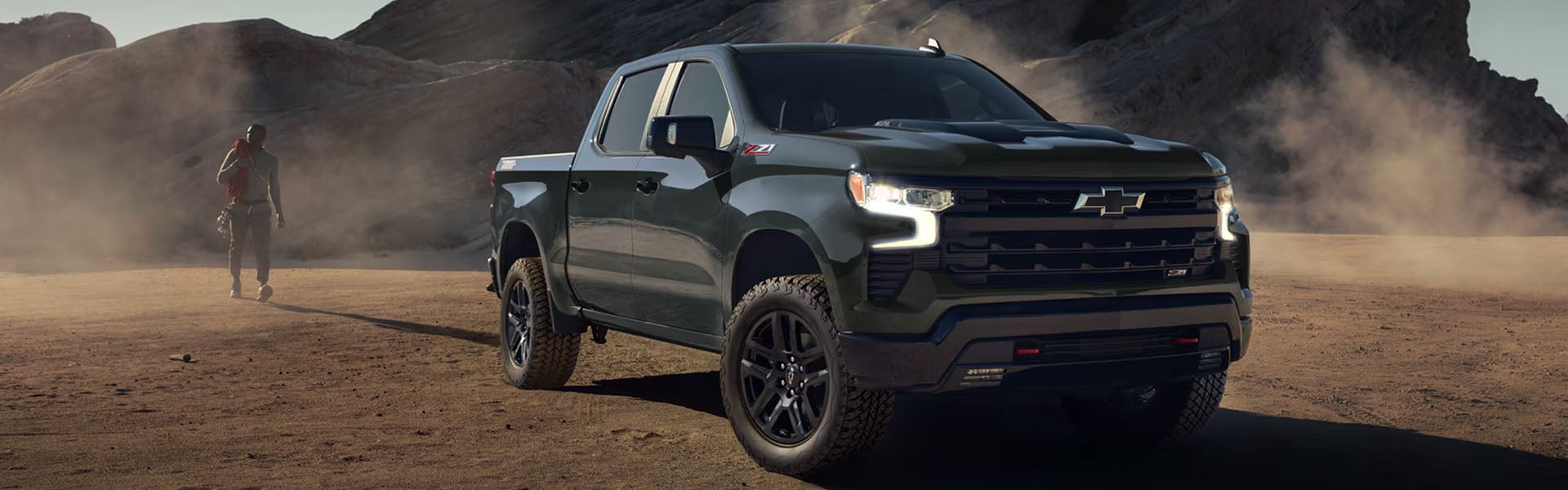
If you are shopping for a new Chevy truck, you may be comparing the Chevy Silverado 1500 vs Silverado HD. Both trucks are capable, dependable, and built for hard work, but they are not built for the exact same driver.

The Silverado 1500 is a light-duty truck that fits many daily driving, towing, and weekend needs. The Silverado HD lineup, which includes Silverado 2500 HD and Silverado 3500 HD models, is built for heavier jobs, bigger trailers, and more demanding work.

If you are hauling tools around Washington, PA, towing a camper for weekend trips, or pulling equipment every week, knowing the difference can help you choose the right Silverado without buying more truck than you need.

What the Chevy Silverado 1500 Is Built For

The Chevy Silverado 1500 is a strong fit for drivers who want truck capability without giving up everyday comfort. It works well for commuting, errands, home projects, weekend towing, and regular driving around Washington County.

When properly equipped, the 2026 Silverado 1500 offers up to 13,300 pounds of max available towing. That gives many drivers enough strength for boats, utility trailers, smaller campers, work gear, and weekend equipment.

The Silverado 1500 also tends to feel more manageable for daily driving than a heavy-duty truck. If you plan to use your pickup as your main vehicle, that matters. It can be easier to park, smoother on normal roads, and more practical for drivers who do not need heavy-duty capability every day.

What the Silverado HD Brings to the Table

The Silverado HD is built for bigger jobs. If your workweek includes heavy trailers, equipment, large payloads, or jobsite demands, the HD lineup is where your search should start.

The Silverado HD includes 2500 HD and 3500 HD models. When properly equipped, the 2026 Silverado HD can reach up to 36,000 pounds of max available diesel towing. That is a major step up from Silverado 1500 capability and makes a big difference for drivers who tow heavy loads often.

These are the kinds of Chevrolet work trucks that contractors, landscapers, business owners, farmers, and serious towers may want to compare. If your truck is part of how you make a living, the extra strength of a Silverado HD can be worth it.

Towing Is Where the Difference Stands Out

Towing is one of the biggest reasons shoppers compare Silverado 1500 and Silverado HD. The Silverado 1500 can handle many common towing needs, including small campers, boats, utility trailers, ATVs, and light work trailers.

The Silverado HD is designed for heavier towing. If you regularly pull equipment trailers, large campers, fifth-wheel trailers, gooseneck trailers, or heavier work loads, the HD lineup gives you more room to grow.

The key is to think about what you tow most often. Do not choose based only on the biggest load you might pull once. Choose based on your normal routine, your trailer weight, your cargo, your passengers, and how often you tow.

Payload and Bed Use Matter Too

Towing is important, but payload also matters. Payload refers to how much weight your truck can carry in the cab and bed. That includes passengers, tools, materials, cargo, and equipment.

If you usually carry lighter materials, weekend gear, or smaller loads, a Silverado 1500 may be enough. If you regularly fill the bed with heavy tools, stone, mulch, equipment, or jobsite materials, a Silverado HD may be the better long-term choice.

The HD lineup is built with a stronger frame, suspension, and overall work-ready structure for heavier demands. If your truck bed is used hard every week, that added strength can make a difference.

Daily Driving: Silverado 1500 Has an Advantage

If your truck spends most of its time on normal roads, the Silverado 1500 may be the better everyday fit. It gives you pickup capability while still feeling comfortable for commuting, errands, school drop-offs, road trips, and daily use.

For many shoppers, that balance is the main reason to choose the 1500. You still get bed space, available 4x4 capability, trailering features, and strong engine options, but you do not have to drive a larger heavy-duty truck when you do not need one.

If your truck is both your work vehicle and your family vehicle, the Silverado 1500 is worth a close look.

Work Needs: Silverado HD Makes More Sense

If your truck is primarily a work tool, the Silverado HD may be the smarter choice. It is built for drivers who need more towing strength, more hauling confidence, and more durability for demanding jobs.

The Silverado 2500 HD may be a good step up for heavy-duty needs without moving all the way to the maximum capability of a 3500 HD. The Silverado 3500 HD may make more sense if you need the highest towing ratings, dual-rear-wheel configurations, or serious commercial-grade strength.

This is where it helps to be honest about your work. If your truck regularly pulls heavy trailers or carries heavy materials, the HD lineup is designed for that kind of use.

Which Silverado Should You Choose?

Choosing between the Chevy Silverado 1500 vs Silverado HD comes down to how you use your truck most of the time.

Choose the Silverado 1500 if you want a capable truck for daily driving, weekend towing, home projects, and lighter work needs. It gives you a strong mix of comfort, power, technology, and practicality.

Choose the Silverado HD if you tow heavy trailers, haul serious weight, run a business from your truck, or need extra strength for demanding jobs. It is built for drivers who need more truck because the work actually calls for it.

Think about your average week. That is usually the best way to find the right fit.

Compare Silverado Trucks at Washington Chevrolet

If you are still deciding between Silverado 1500 and Silverado HD, Washington Chevrolet can help you compare both options in person. Our team can walk you through towing needs, cab styles, bed lengths, trims, 4x4 options, finance options, and current availability.

Browse our /new-chevy-trucks-silverado-deals-washington-pa new Chevy trucks for sale in Washington, PA, view our new Silverado 1500 inventory, or compare the full new Chevy truck inventory online.

When you are ready to take the next step, you can get pre-approved online or value your trade before visiting Washington Chevrolet.
Posted in:

Related Posts

Chevy Silverado 1500

Which Chevy Silverado 1500 Setup Fits Your Life?

The 2026 Chevy Silverado 1500 is one of the most versatile trucks on the road today. So, if you're hauling equipment during the week, heading out on the weekend, or simply need a reliable vehicle, the Silverado 1500 gives you options in how you configure it. Understanding the cab styles, bed lengths, and available utility features can help you make a smarter decision before you ever step on foot a lot. more Choosing the Right Cab Style for the Chevy Silverado 1500 The Silverado 1500 comes in three cab configurations - Regular Cab, Double Cab, and Crew Cab. The Regular Cab is a solid choice if you spend most of your time working solo or with a single passenger. It keeps the truck's footprint shorter and leaves more flexibility when it comes to bed length. The Double Cab adds a small rear seat and rear-hinged back doors, making it a middle ground for drivers who occasionally need to bring a couple of extra people along. The Crew Cab offers the most rear passenger space, with four full-size doors and a comfortable back seat - ideal if you're regularly transporting a family or a full crew. Understanding Silverado 1500 Bed and Cab Options When it comes to Silverado 1500 bed and cab options, the bed length you choose matters just as much as the cab style. The Silverado 1500 is available with a Short Bed, a Standard Bed, and a Long Bed depending on the cab configuration you select. The approximately 70-in Short Bed pairs well with the Crew Cab and works great for drivers who prioritize cabin space and plan to use a trailer for larger loads. The Standard Bed is close to 80-in and balances interior room with cargo capacity, making it a popular choice. At just over 98-in, the Long Bed, typically paired with a Regular Cab, is the pick for those who regularly haul long materials like lumber or ladders without a trailer. Not all Silverado 1500 bed and cab options are available in every combination, so it's worth confirming availability when you shop. Utility Features That Make the Silverado 1500 Work Harder Beyond the structure itself, the Silverado 1500 is packed with features that enhance day-to-day practicality. The available EZ Lift-and-Lower tailgate makes loading and unloading easier on your back. Corner steps and bed steps help you get into bed without strain. Available LED cargo lighting helps you work after dark, while the Multi-Flex Tailgate - available on select trims - offers multiple positions for different loading needs. Power outlets in the bed and cabin keep your tools and devices charged on long days. Built-in trailering technology, including available in-vehicle trailering apps, helps take the guesswork out of hitching up and heading out. Tech and Connectivity Built for Busy Days The Silverado 1500 also comes well-equipped inside. A 13.4-in touchscreen keeps your navigation, audio, and phone connections easy to manage while you're on the move. Available Google built-in functionality, including Google Gemini, is now offered on select models, bringing AI-powered assistance directly to your dashboard. OnStar connectivity provides an added layer of safety and convenience, no matter if you're driving through town or out on a remote job site. Wireless charging, available Wi-Fi hotspot capability, and a range of driver assistance features round out the package for drivers who need to stay connected and focused. Find Your Silverado 1500 Near Washington, PA The right Chevy Silverado 1500 configuration for you depends on how you actually use your truck. From Silverado 1500 bed and cab options to onboard tech and trailering tools, the 2026 Silverado 1500 is built to handle whatever your week looks like. Come on in and see us at Washington Chevrolet so we can help you explore our available inventory, compare trim levels, and find the setup that fits your life.

Summer Service Checklist

Chevrolet Summer Service Checklist Before Your Next Road Trip

Summer is a great time to pack up your Chevy and head out on the road. But before you leave Washington, PA for a weekend getaway, family vacation, or long highway drive, it helps to make sure your vehicle is ready for the heat and extra miles. A Chevrolet summer service checklist can help you catch small issues before they turn into bigger problems. Tires, brakes, fluids, battery health, cooling performance, and air conditioning all matter when your Chevy is carrying passengers, luggage, and road trip gear through warm weather. more Schedule Service Before Your Road Trip Why Summer Service Matters for Your Chevy Warm weather can be tough on your vehicle. Long drives, stop-and-go traffic, heavy cargo, and hot pavement can place extra stress on your Chevy’s tires, battery, cooling system, and fluids. That is why a Chevy road trip service visit is a smart step before summer travel. A trained technician can inspect key systems, look for signs of wear, and help you feel more confident before you leave town. If your vehicle is already close to needing an oil change, tire rotation, brake inspection, or battery test, it is usually better to handle it before the trip instead of waiting until after. Check the Cooling System Your cooling system should be near the top of your summer service checklist. When temperatures rise, your engine has to work harder to stay cool. Before a road trip, have the coolant level checked. It is also helpful to inspect hoses for cracks, leaks, or soft spots. A technician can check for signs of wear and make sure the system is ready for longer drives in hot weather. An overheating engine can interrupt a trip quickly. Checking the cooling system before you leave can help lower that risk. Inspect Your Tires Before Highway Driving Your tires affect handling, braking, fuel economy, and ride comfort. They are also one of the most important safety items to check before a long drive. Before your trip, check the tire pressure and make sure it matches the recommended level for your Chevrolet. You should also look at tread depth, uneven wear, cracks, bulges, or damage. If your vehicle has a spare tire, check that too. Summer heat can affect tire pressure, especially during long highway drives. If your low tire pressure light is on or one tire keeps losing air, schedule Chevy tire service before your trip. If you already know your tires need to be replaced, you can also use the Tire Finder to start looking for tires that match your Chevrolet. Test Your Battery Many drivers think about battery problems in winter, but summer heat can also shorten battery life. Hot weather can speed up wear inside the battery, especially if it is already older or weak. If your battery is three or more years old, have it tested before a long road trip. A technician can check the charge, inspect the terminals, and look for corrosion or loose connections. A quick battery test can help you avoid a no-start situation while you are away from home. Refresh Important Fluids Fluids help protect your Chevrolet during daily driving and longer trips. Before summer travel, make sure key fluids are at the proper level and in good condition. This can include engine oil, coolant, brake fluid, transmission fluid, power steering fluid, and windshield washer fluid. Fresh oil is especially important before extended highway driving because it helps protect engine parts from heat and friction. If your Chevy is close to needing an oil change, handle it before the trip. It is a simple step that can help your vehicle stay ready for the road. Check Brakes and Exterior Lights Brakes should always be checked before a road trip, especially if you have noticed squeaking, grinding, vibration, or a longer stopping distance. A technician can inspect the brake pads, rotors, and related components to make sure everything is ready for the road. It is also a good idea to test your exterior lights. Check the headlights, taillights, brake lights, turn signals, and hazard lights. Summer trips often include early starts, evening driving, rain, or heavy traffic, so working lights are important for visibility and safety. Make Sure the Air Conditioning Works A working air conditioning system can make a big difference during a Pennsylvania summer. If your Chevy is not cooling like it should, have the system inspected before your trip. Low refrigerant, weak airflow, or a clogged cabin air filter can make the cabin uncomfortable. Replacing the cabin air filter can also help improve airflow and air quality inside the vehicle. If your A/C feels weak now, it may feel worse after hours of summer driving. Look Over Wipers and Windshield Washer Fluid Summer weather can change quickly. A sunny drive can turn into heavy rain, and road grime can build up fast during highway travel. Check your windshield wipers before your trip. If they streak, skip, squeak, or leave part of the windshield unclear, it may be time to replace them. You should also top off windshield washer fluid so you are ready for bugs, dust, and rainy weather. Pack a Simple Road Trip Kit Service is important, but it also helps to keep a few basics in your vehicle. Consider packing phone chargers, bottled water, a flashlight, jumper cables, a tire pressure gauge, basic first-aid supplies, and anything your family may need during the drive. You should also make sure your owner’s manual, insurance information, and roadside assistance details are easy to find. Schedule Chevrolet Service Before You Travel Before your next summer road trip, bring your Chevy to Washington Chevrolet for service. Our team can help inspect your tires, brakes, battery, fluids, cooling system, A/C, and other key items before you leave. Whether you drive a Chevy Silverado, Equinox, Traverse, Tahoe, Trailblazer, Trax, Colorado, or another Chevrolet model, we can help you get ready for the miles ahead. <a href="/service">Schedule Chevrolet service in Washington, PA</a> and enjoy your next road trip with more peace of mind.

Chevy's Tires

Why Your Chevy's Tires Wear Unevenly After a Western Pennsylvania Winter

Winter roads in Western Pennsylvania can be brutal on your Chevrolet. Between potholes, frost-heaved pavement, road salt, and repeated freeze-thaw cycles, it's not unusual for suspension and alignment components to take a beating. If your tires look like they're wearing unevenly after winter, your vehicle may be telling you it's time for service. Catching the problem early can improve handling, extend tire life, and help you avoid replacing a full set of tires sooner than expected. more Different Tire Wear Patterns Mean Different Things The way a tire wears often points directly to the underlying problem. Excessive wear along the inside or outside edge of the tread typically indicates the wheels are out of alignment. Center tread wear usually means the tires have been consistently overinflated, while excessive wear on both shoulders often points to underinflation. A scalloped or cupped tread pattern can indicate worn shocks or struts that allow the tire to bounce instead of maintaining consistent contact with the road. Feathering across the tread blocks may signal incorrect toe alignment. Identifying the wear pattern helps technicians diagnose the problem before it affects other steering or suspension components. How Winter Roads Affect Your Chevrolet It doesn't take a major impact to knock your alignment out of specification. Striking a deep pothole, clipping a curb hidden beneath snow, or repeatedly driving over rough pavement can gradually change wheel alignment. Even small changes in alignment angles can cause tires to scrub against the pavement instead of rolling smoothly. Over thousands of miles, that extra friction removes tread much faster than normal. Winter driving also places additional stress on ball joints, tie rods, bushings, and other suspension components that help keep your tires properly planted on the road. Why Tire Rotation and Wheel Alignment Work Together Rotating your tires at the recommended service interval helps distribute wear more evenly among all four tires. However, rotation alone won't solve an alignment problem. If the wheels remain out of specification, the newly rotated tires will begin wearing unevenly as well. During a Chevrolet tire service appointment, technicians can inspect tread depth, check tire pressure, evaluate suspension components, and measure wheel alignment to identify the root cause before additional damage occurs. Signs It's Time for Tire Service Your tires may need professional attention if you notice: Your steering wheel is no longer centered while driving straight. The vehicle pulls to one side. You feel vibration through the steering wheel at highway speeds. One or more tires show noticeably different tread wear. Road noise has increased compared to previous months. Addressing these symptoms early can improve ride quality while helping your tires reach their expected service life. Get Your Chevy Ready for Summer Driving in Washington, PA After months of winter driving, summer is an excellent time to have your tires, alignment, and suspension inspected. The certified service team at Washington Chevrolet can identify uneven tire wear, inspect steering and suspension components, perform wheel alignments when needed, and help maximize the life of your tires. Schedule your Chevrolet tire service today and head into the new season with confidence.